
More Than 200 Acres and Counting: CLERC’s 2026 Fire-Safety Work
A look at the projects completed, underway, and preparing to begin as CLERC's busiest year of fire-prevention work continues.
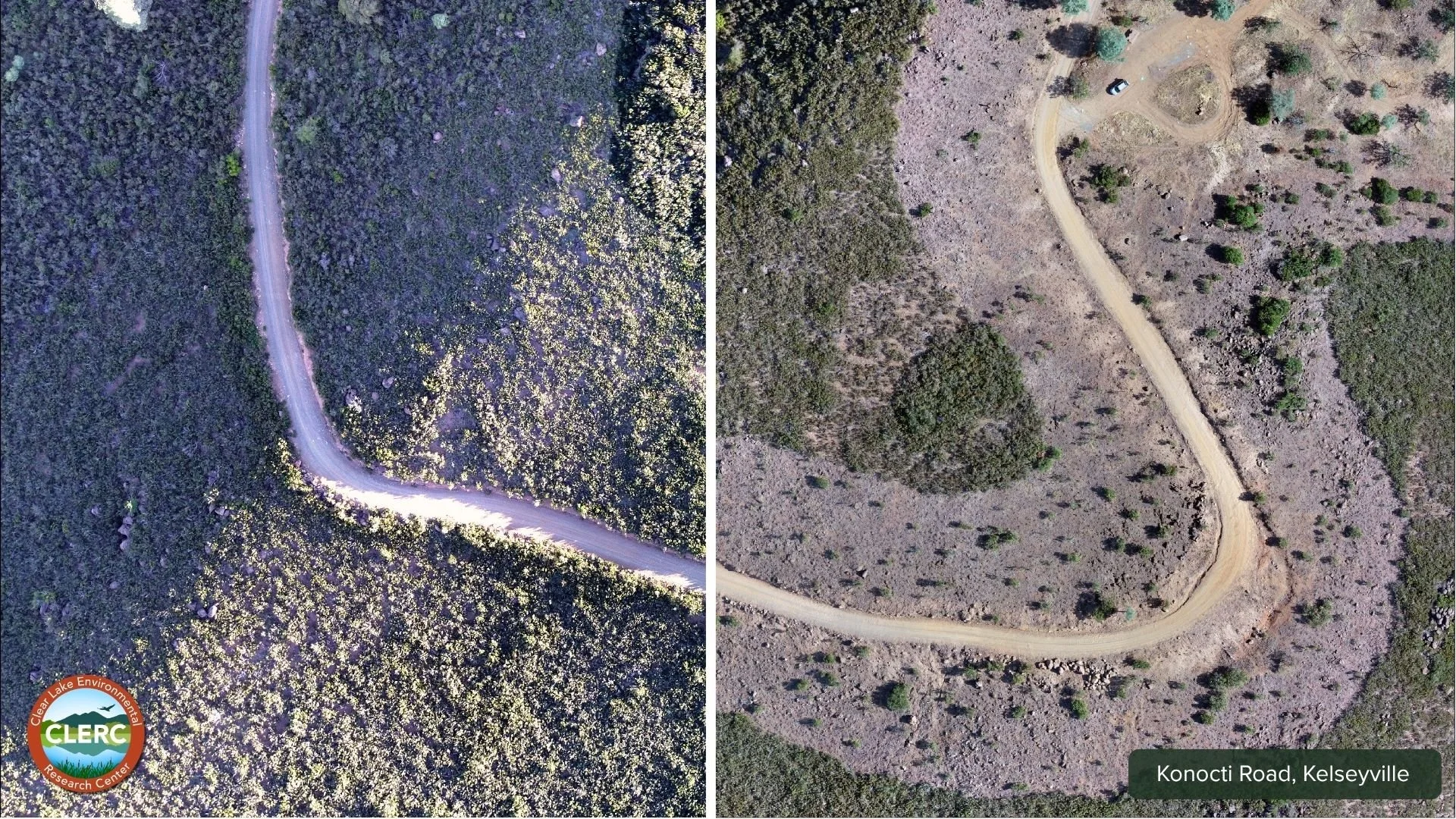
The impact of this work is often easiest to see in before-and-after photos: a school surrounded by less hazardous vegetation, an overgrown roadside opened up, or a safer buffer created between homes and nearby wildland fuels.
What those photos do not show is the work required to make each project possible.
Before crews can get boots on the ground, projects often take months, and sometimes years, of planning and coordination. Funding must be secured, sites must be evaluated, environmental requirements must be met, and access must be arranged. CLERC also works closely with landowners, public agencies, fire districts, contractors, and local officials to make sure each project is planned carefully and carried out safely.
From April through September, more of that work became visible across Lake County. Several major projects were completed, while many others moved from project planning toward getting boots on the ground and beginning implementation.
A year of work taking shape
So far in 2026, CLERC has completed nine wildfire resilience projects and treated more than 200 acres through defensible space, roadside vegetation management, and larger landscape-scale projects. At the same time, our forest health and restoration work has planted approximately 72,000 trees across 400 acres of National Forest and treated heavy fuels on another 100 acres to prepare the area for planting in spring 2027.
Fifteen additional project contracts have been awarded, with work either underway or expected to begin soon. More projects are currently out to bid, while dozens of others are moving through planning for the remainder of 2026 and into 2027.
Those numbers tell an important story, but their real meaning is easier to see in the schools, neighborhoods, roadways, forests, and communities where the work is taking place.
Protecting a school, neighborhoods, and critical routes
A highlight of several completed projects
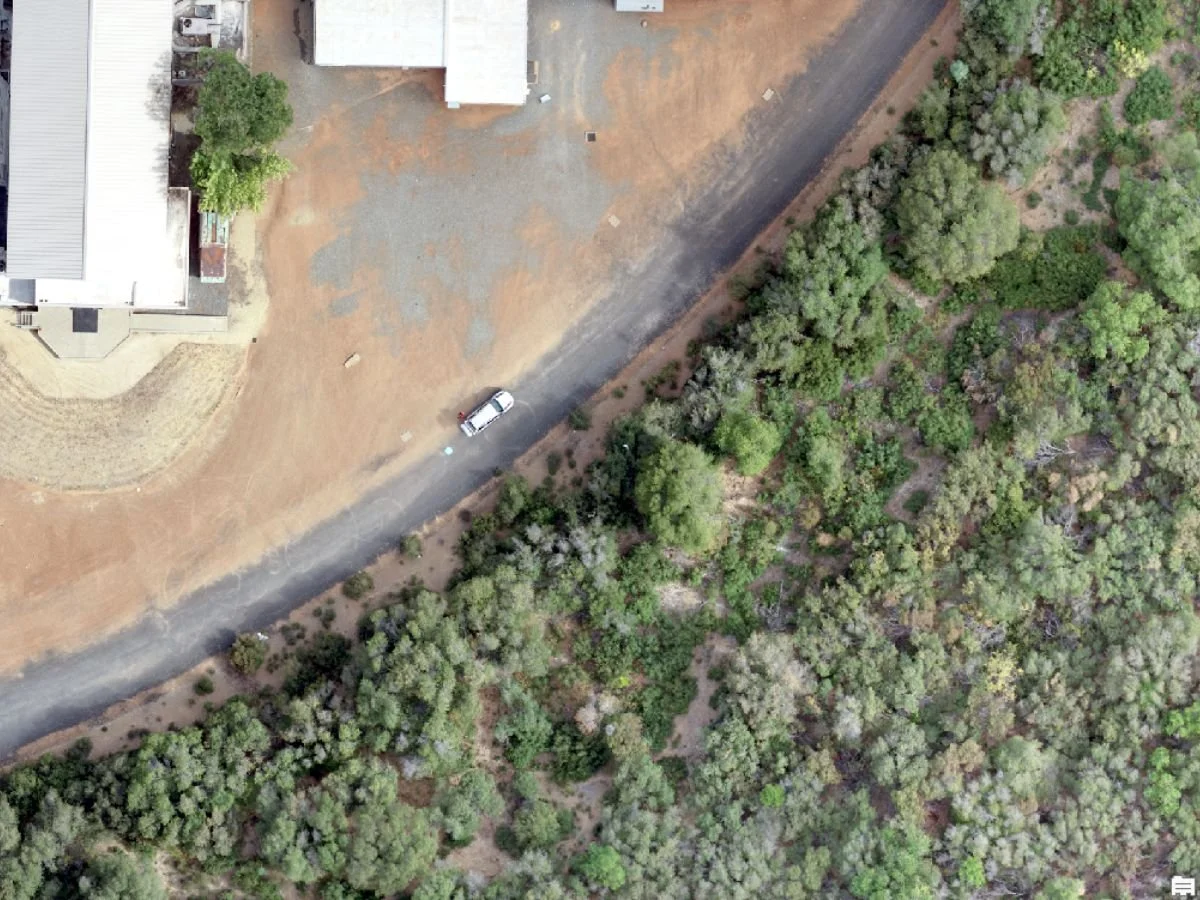
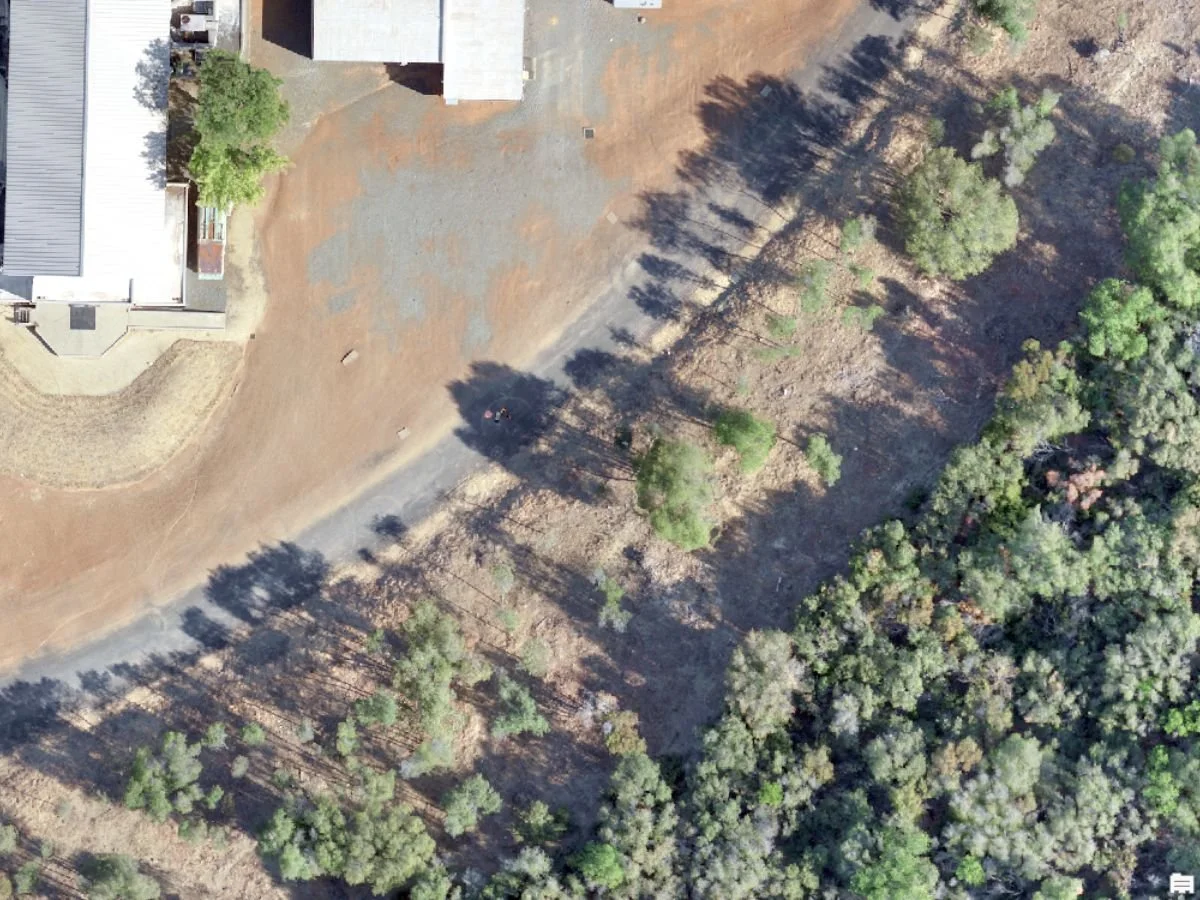
At Riviera Elementary School, crews reduced overgrown vegetation around the campus, creating more defensible space around a place where children learn and community members gather. The work provides a safer buffer around the school and improves conditions for firefighters if a wildfire threatens the area.
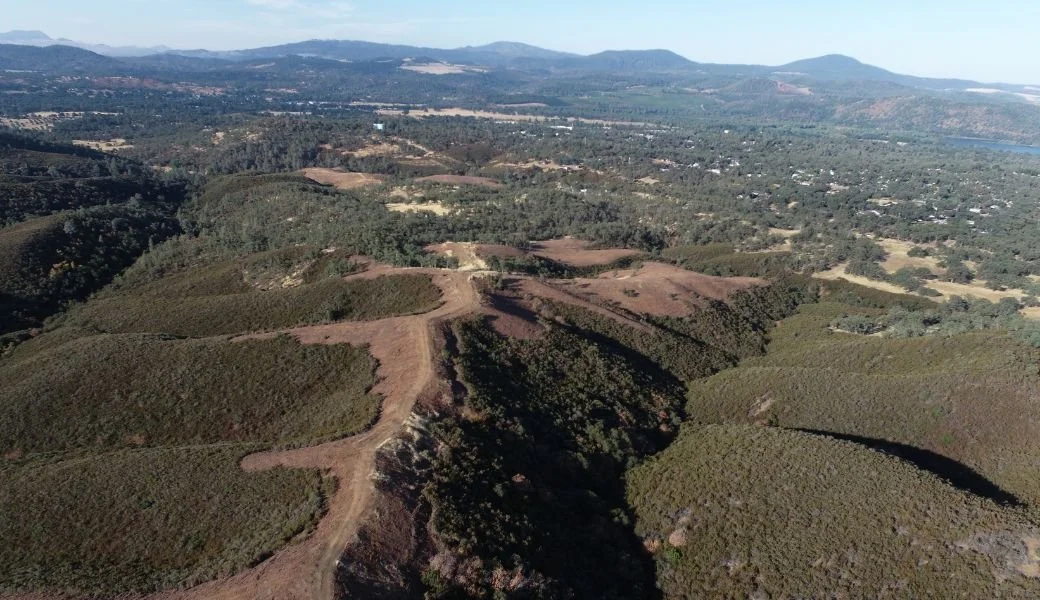
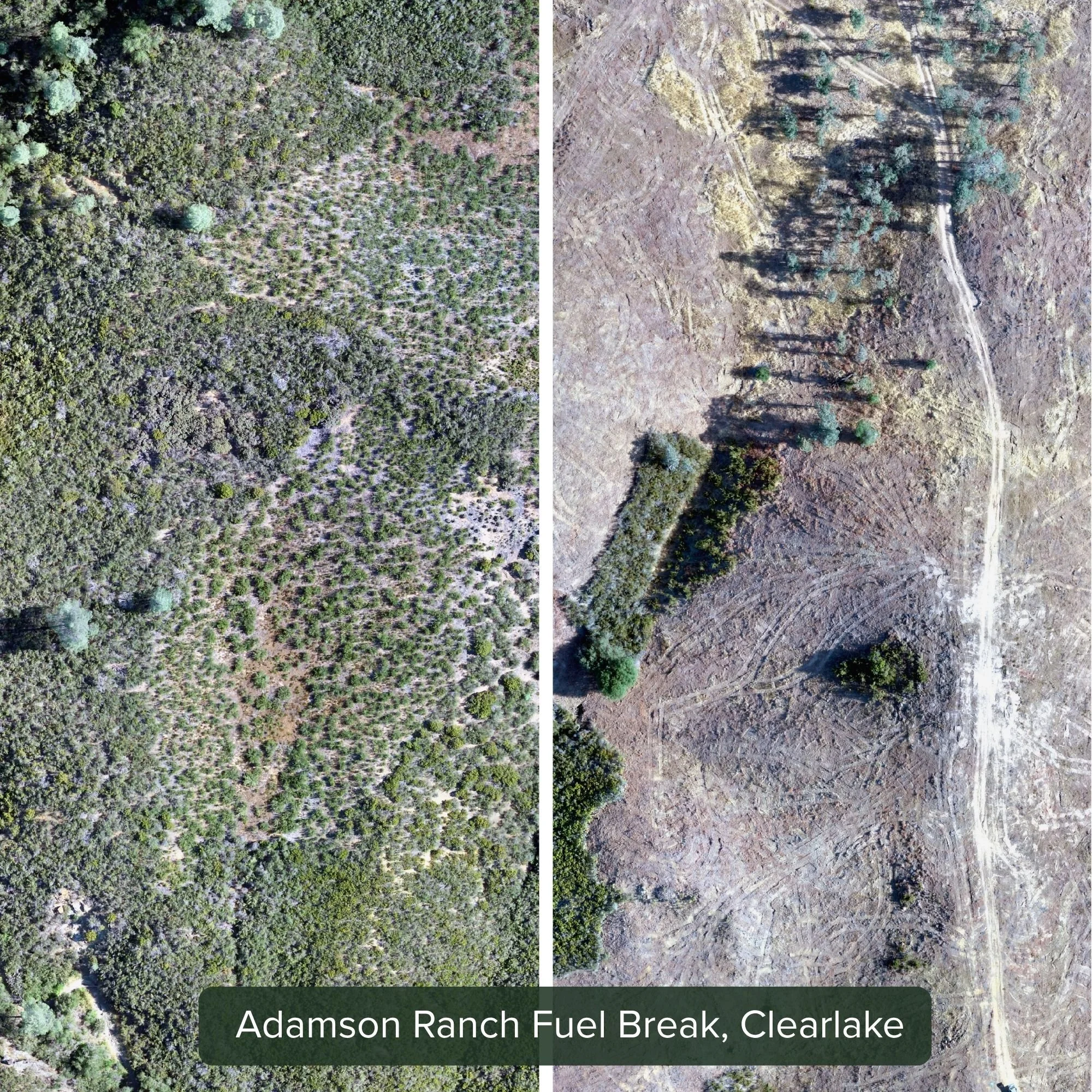
Along the eastern edge of the City of Clearlake, known as the Adamson Ranch Fuel Break, more than 20 acres were treated where wildland vegetation meets the city. By reducing dense vegetation in this area, the project helps create a buffer that may slow the spread and reduce the intensity of a wildfire approaching nearby neighborhoods.
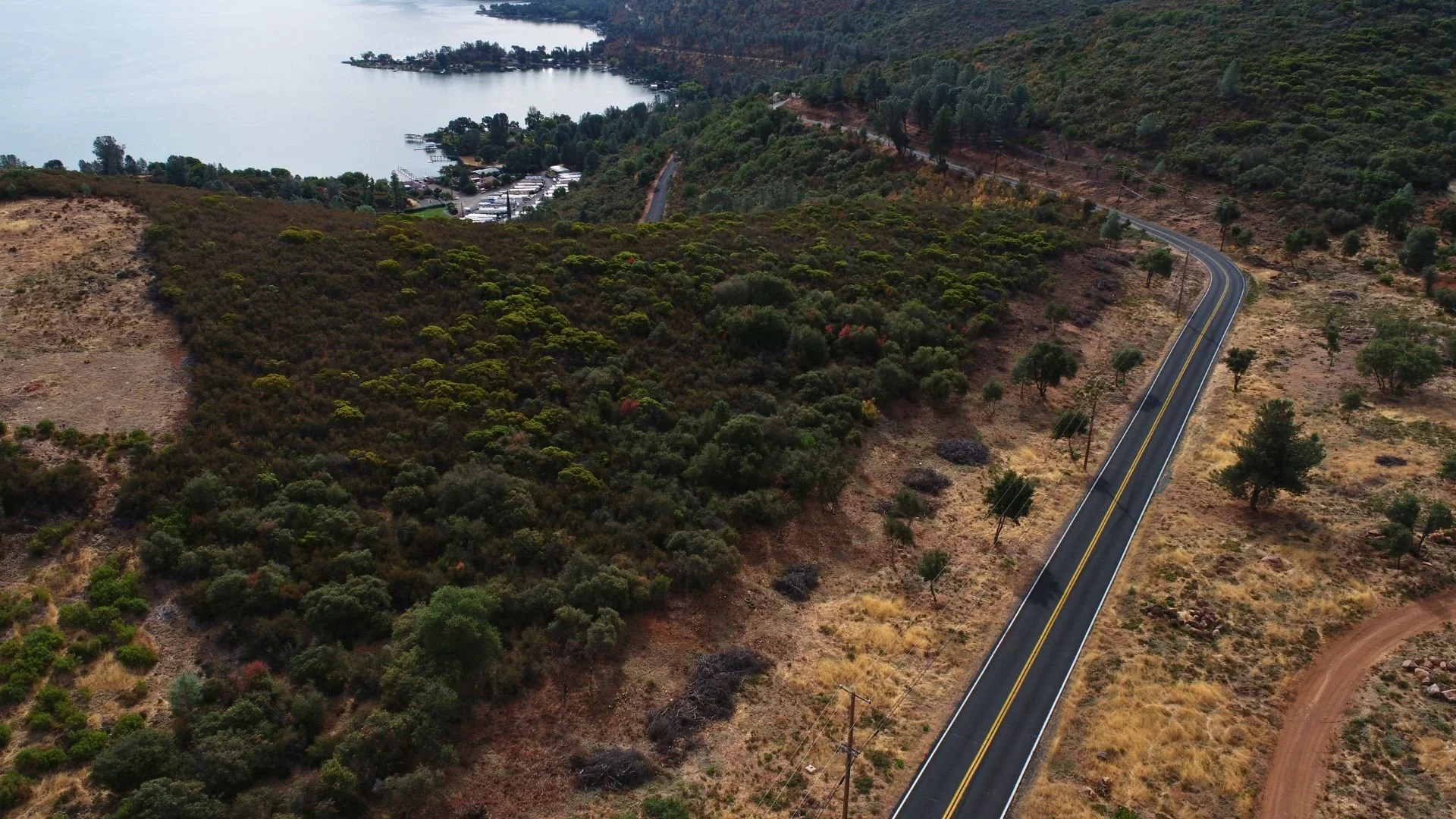
Residents can also see major changes along Point Lakeview Road, where the first two phases of roadside vegetation work are complete. Point Lakeview is an important connector road within the Rivieras, a community with limited routes in and out. Crews thinned dense brush along the roadway, improving visibility, reducing vegetation that could contribute to wildfire spread, and helping improve evacuation route-readiness. The work also gives residents, firefighters, and other emergency responders better access during an emergency. Be on the lookout for work to begin soon on Phases 3 and 4.
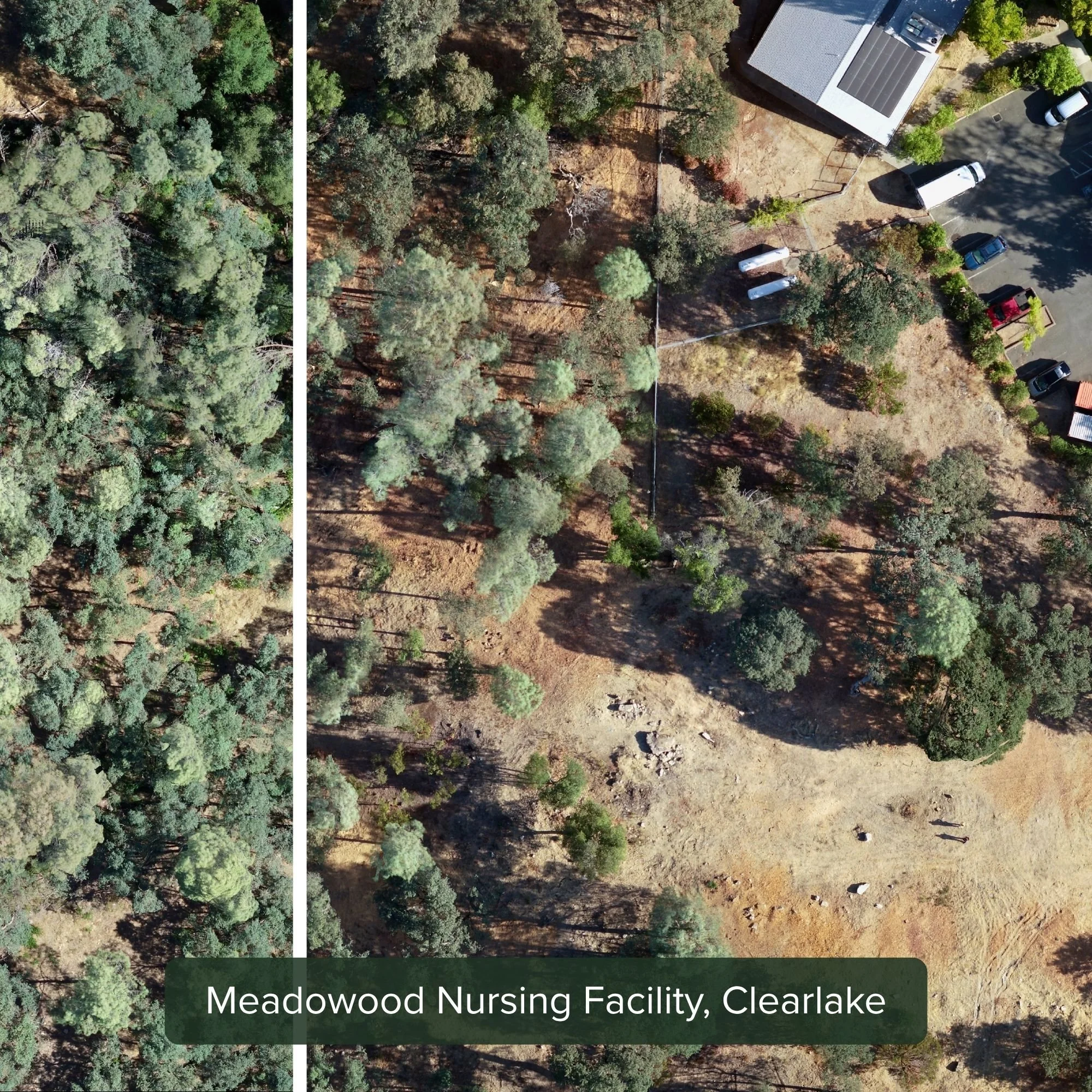
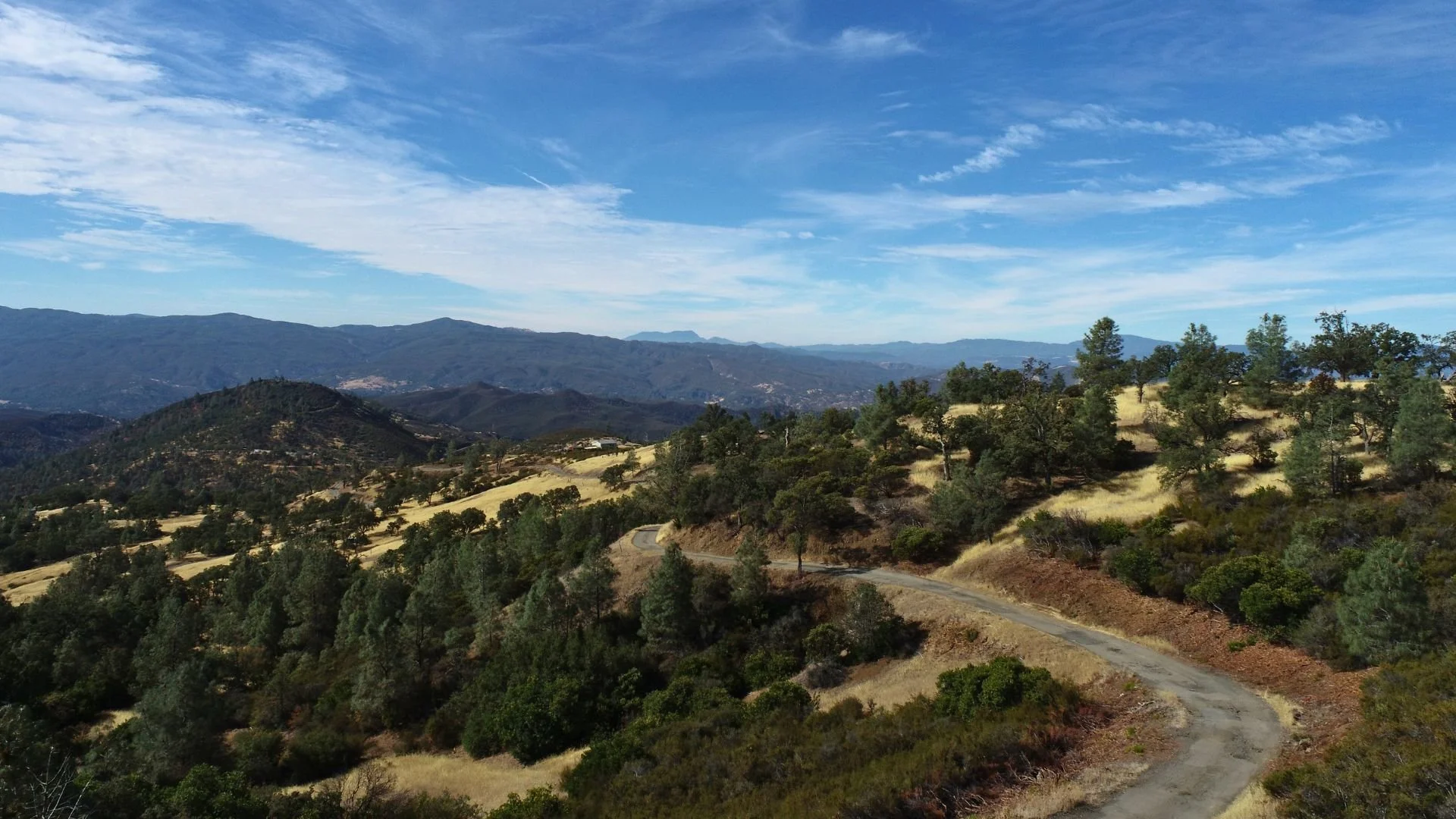
Additional projects completed this year include roadside work along Watertrough and Mule Skinner roads in eastern Lake County; defensible space around Meadowood Nursing Center in Clearlake; defensible space along Panorama Drive in Lower Lake; and the first phase of roadside work along Konocti Road. Phase 2 of the lower portion of Konocti Road is expected to begin soon.
Together, these projects protect very different parts of community life: a school, a skilled nursing facility, residential areas, recreation areas, evacuation routes, and the edges where communities meet undeveloped land.
Work underway across the county
On the northern portion of Bottle Rock Road, crews have just wrapped up work from Coldwater Creek Road toward Highway 29. Planning is also progressing for work on the southern section of Bottle Rock Road.
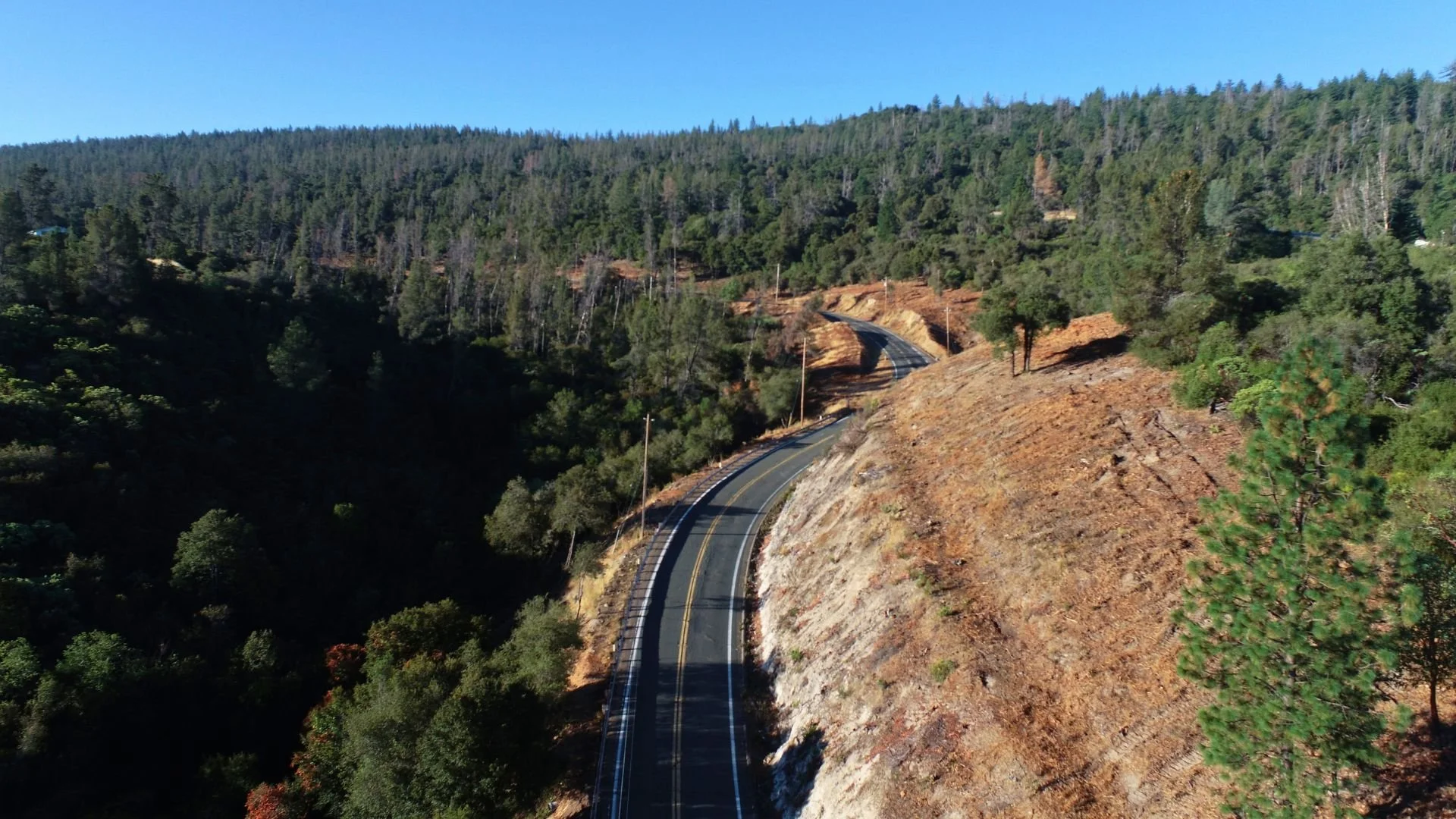
Work is beginning along Harrington Flat Road near Boggs Lake, with additional sections farther along the road in the pipeline. Roadside work is also underway along Harbin Springs Road and Big Canyon Road in collaboration with the South Lake Fire Protection District. That project is planned in three phases.
Each of these roads serve people who live, work, and travel through areas with considerable wildfire exposure. Roadside vegetation work cannot eliminate wildfire risk, but it can reduce fuels immediately beside the road, support safer travel, and give emergency crews more room to operate.
A long-term project in Clearlake's Lower Avenues
One of CLERC's largest and most complex current efforts is unfolding in the Lower Avenues "paper lots" area of Clearlake, a largely undeveloped area divided into many small, individually owned parcels that were mapped and recorded but never built on. The project spans several hundred acres, from approximately 18th Avenue south to Dam Road behind Walmart and the hospital, and is being completed in six phases.
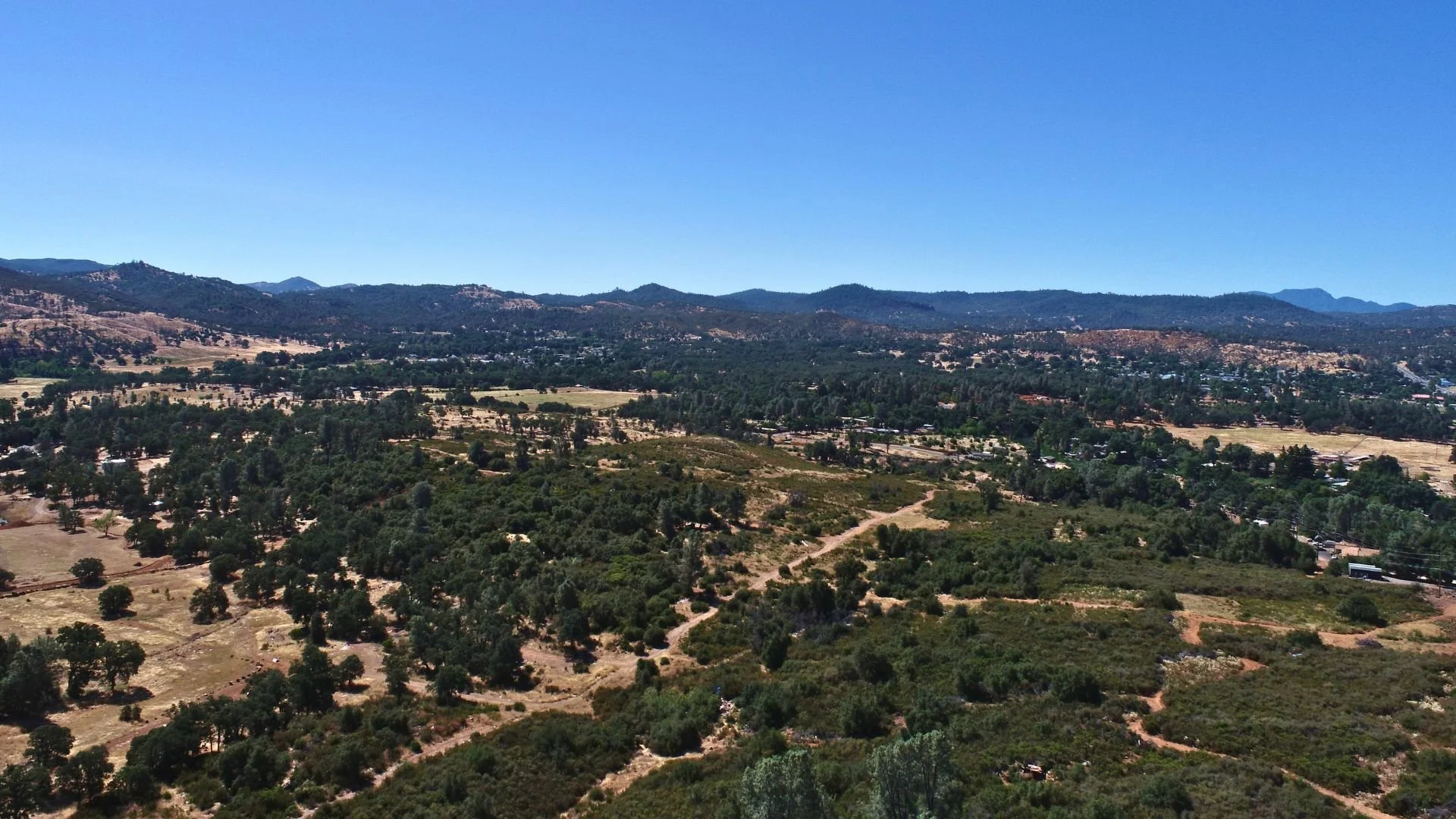
Planning has involved outreach and property coordination for more than 1,400 vacant parcels. CLERC has also worked closely with the City of Clearlake and Code Enforcement to address access, illegally dumped debris, and safety considerations in occupied areas before crews enter a work site. These are essential steps in completing the work responsibly and ensuring that contractors can operate safely.
The Lower Avenues project is expected to continue into 2027. Its purpose is to create a safer, more defensible buffer for the City of Clearlake and reduce the potential for a fast-moving wildfire to reach nearby homes with the intensity seen during the Boyles and Cache Creek Fires which burned vegetation and homes through the area previously. No project can remove the threat of wildfire, but thoughtful, connected work across a large landscape can give residents, firefighters, and homes a better chance.
Restoration beyond community boundaries
CLERC's work also continues in the Mendocino National Forest through the North Shore Restoration Project. In collaboration with the U.S. Forest Service and Patriot Restoration Ops, the project is restoring areas affected by the 2018 Ranch Fire, part of the Mendocino Complex Fire.
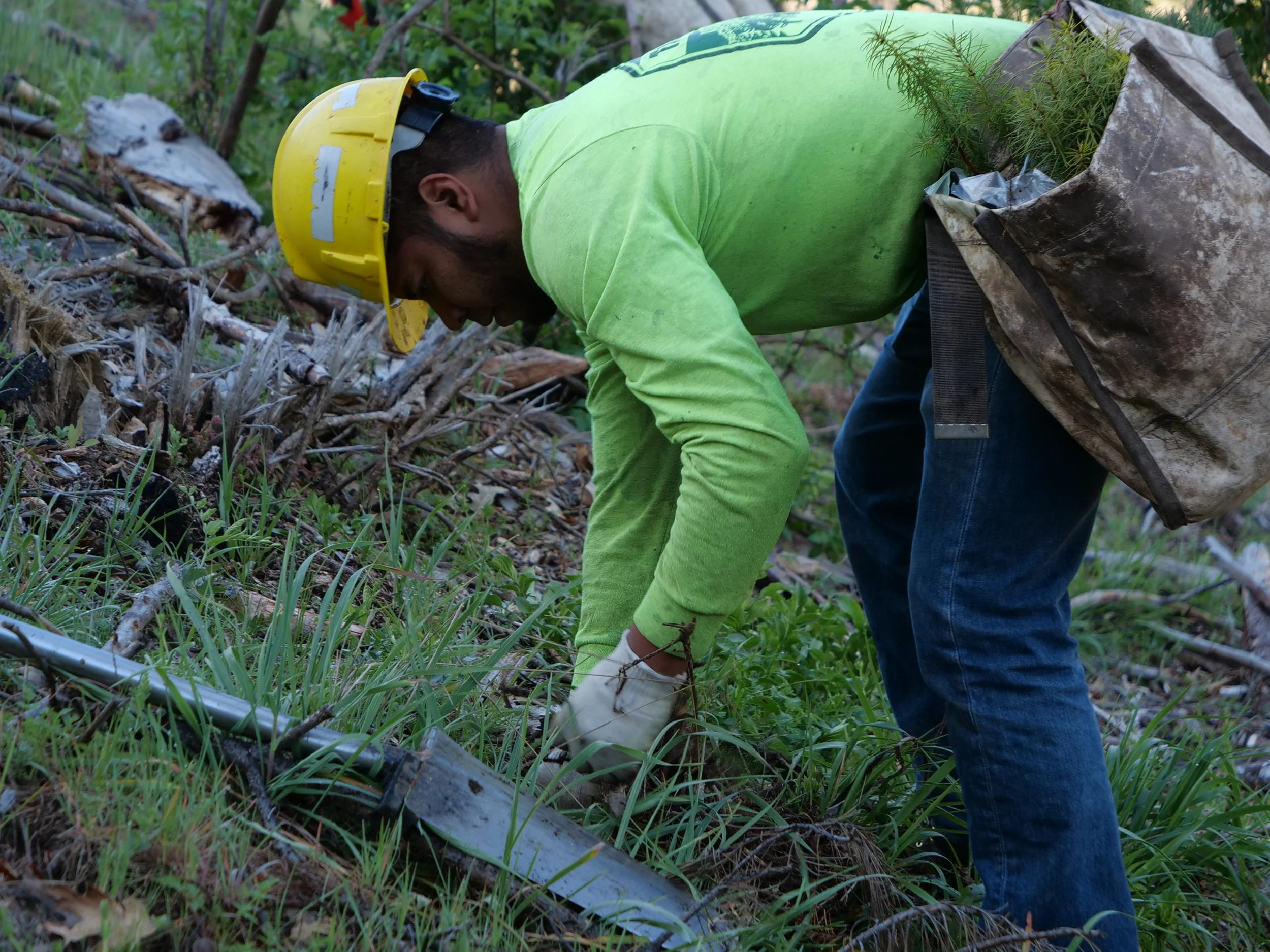
The North Shore Restoration Project encompasses approximately 40,000 acres of the Mendocino National Forest, where CLERC is working with partners to support long-term forest recovery and restoration following devastating wildfire. CLERC has secured approximately $14 million in funding to help move this work forward.
In 2026 alone, crews removed burned, dead, and downed trees and logs from more than 100 acres and planted approximately 72,000 trees across 400 acres. This work is helping restore fire-affected landscapes, improve forest health, and support the long-term recovery of the North Shore area.
Dozens more projects moving forward
The work visible today is only part of what is coming. Projects are being planned in Lakeport, Blue Lakes, Clearlake Oaks, Glenhaven, Spring Valley, and on High Valley Road. Future phases are also moving forward along Point Lakeview Road, Konocti Road, Bottle Rock Road, and Harrington Flat Road.
Some have already been awarded and are awaiting their start dates. Others are in bidding, environmental review, property-owner coordination, or earlier planning. Each is at a different stage, but all are part of a larger effort to connect defensible spaces, strengthen evacuation routes, and reduce wildfire risk across Lake County.
The work behind the work
The scale of this effort can make it easy to imagine a much larger organization behind it. In reality, just nine dedicated team members within CLERC's Operations and Stewardship departments are carrying this work forward.
They develop projects, coordinate grants and contracts, communicate with property owners, work with local agencies and officials, support contractors and fire protection districts, track progress, perform drone inspections, and solve the many practical challenges that arise between an idea and a completed project.
CLERC's biologists are in the field before and during project work, surveying for nesting birds, native and invasive plants, reptiles, amphibians, and other wildlife. The team is also monitoring the spread of the Mediterranean Oak Borer, an emerging threat to Lake County's oak woodlands. These surveys help projects reduce wildfire risk while protecting the species and habitats that make Lake County unique.
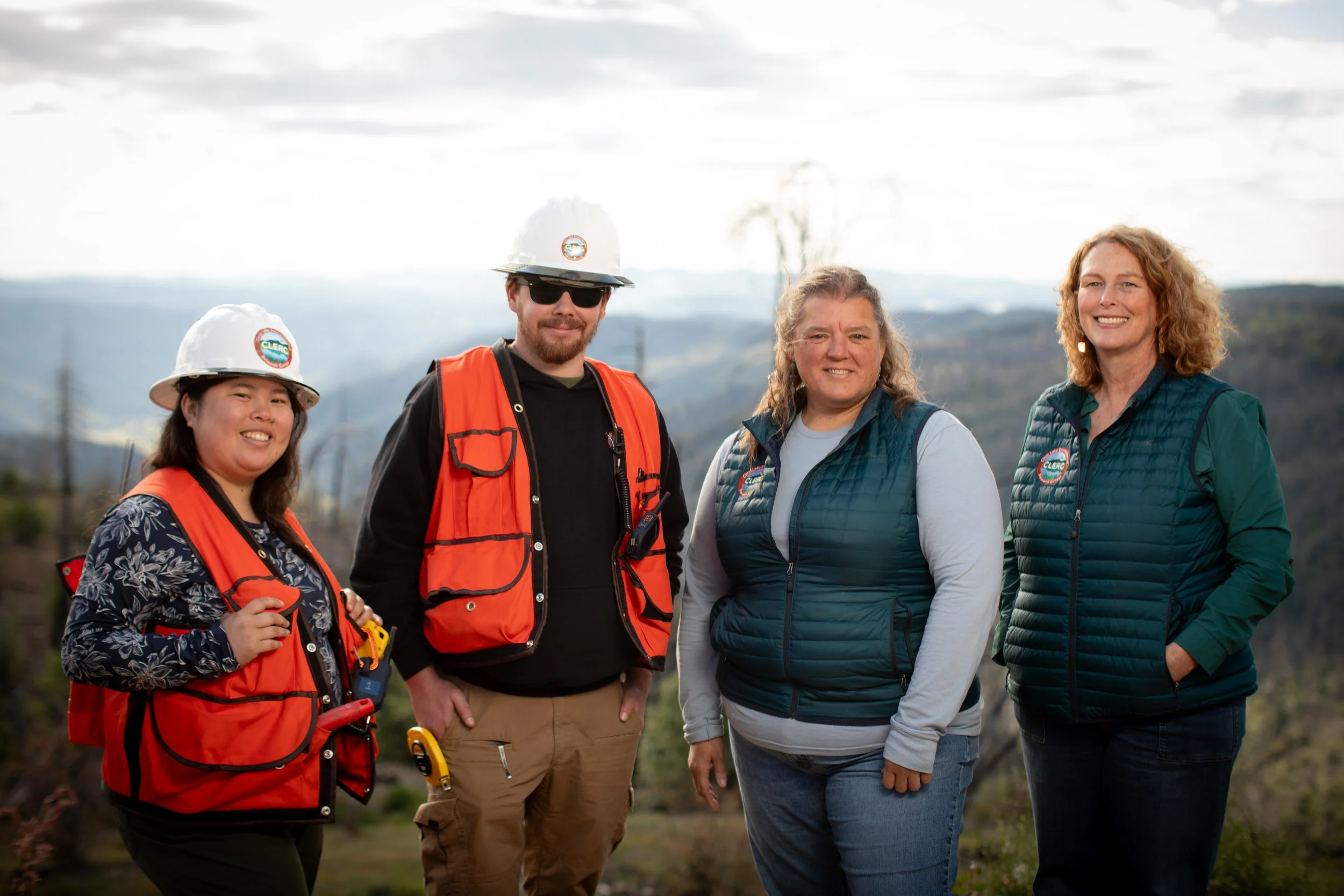
Whenever possible, CLERC's projects create opportunities for local contractors, fire protection districts, and partner organizations to do the work. This keeps more project dollars in Lake County, supports local jobs and skills, and puts people who know the area to work protecting their own communities.
Helping residents do their part
CLERC supports chipping programs throughout Lake County in two ways. In communities where local organizations have the capacity to manage and administer their own programs, CLERC provides grant funding to help make those services available. Current partners include South Lake Fire Safe Council and Hidden Valley Lake Association.
For residents who live outside those established program areas, CLERC manages a county-wide Community Chipping Program. The program is having its most productive year yet, with more than 400 properties served.
Chipping programs help residents dispose of brush and woody vegetation they remove while creating defensible space around their homes. Once eligible material is cut and placed along the roadside, it can be chipped at no cost to the property owner.
Residents outside locally managed program areas can review program guidelines and sign up for CLERC's Community Chipping Program at ChippingDay.org.
Check Whether Your Neighborhood Is in a Project Area
Residents can also help move larger projects forward by checking regularly to see whether their neighborhood is within a current CLERC project area. Before crews can begin work on private property, CLERC needs a signed Right of Entry form from the property owner. Returning that form promptly can help prevent delays once a project is ready to move forward.
When a project is being planned, CLERC mails affected property owners an envelope bearing the CLERC logo. Inside, owners will find a Right of Entry form and a business reply envelope so the completed form can be returned at no cost. Property owners may also complete the form online at theclerc.org/right-of-entry. The page includes a map of current project areas, updated weekly, so residents can check whether work is planned near their property.

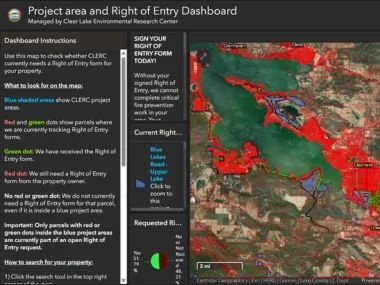
If your neighborhood is not currently shown, there is no need to worry. CLERC is actively planning new work and expanding project areas as funding allows. Not every neighborhood can be reached at once, but each new project helps build a more connected network of defensible spaces and safer routes across Lake County.
Continuing the work together
As a nonprofit organization, CLERC relies on grants, partnerships, and community donations to make this work possible. Much of our current wildfire resilience work is supported by the Community Wildfire Defense Grants from the U.S. Department of Agriculture, while restoration work in the Mendocino National Forest is funded through CAL FIRE's Forest Health Grant Program. Additional wildfire prevention projects are supported by CAL FIRE's Wildfire Prevention Grant Program.
These investments are putting millions of dollars to work in Lake County, supporting projects that reduce wildfire risk, restore forests, improve evacuation routes, and help communities become more resilient.
But grants do not fund everything CLERC does. Important efforts such as Mediterranean Oak Borer monitoring and the planning and development of CLERC's Discovery Center at the historic Carnegie Library also depend on donations and broader community support.
Developed in collaboration with the Lake County Office of Education and other local partners, the Discovery Center will give K–12 students, families, and community members a place to explore Lake County's ecosystems and habitats through locally focused, interactive exhibits. Educational programs will connect with local school curricula and help visitors understand how healthy forests and habitats, wildfire resilience, water quality, and the health of Clear Lake are all connected.
Donations from residents, businesses, and community organizations help CLERC fill the gaps that grant funding cannot. They support scientific monitoring, environmental education, the development of new projects, and the work needed to pursue future funding for communities throughout Lake County.
Every contribution helps CLERC turn good ideas into projects on the ground, science into better decisions, and local partnerships into lasting benefits for our community.
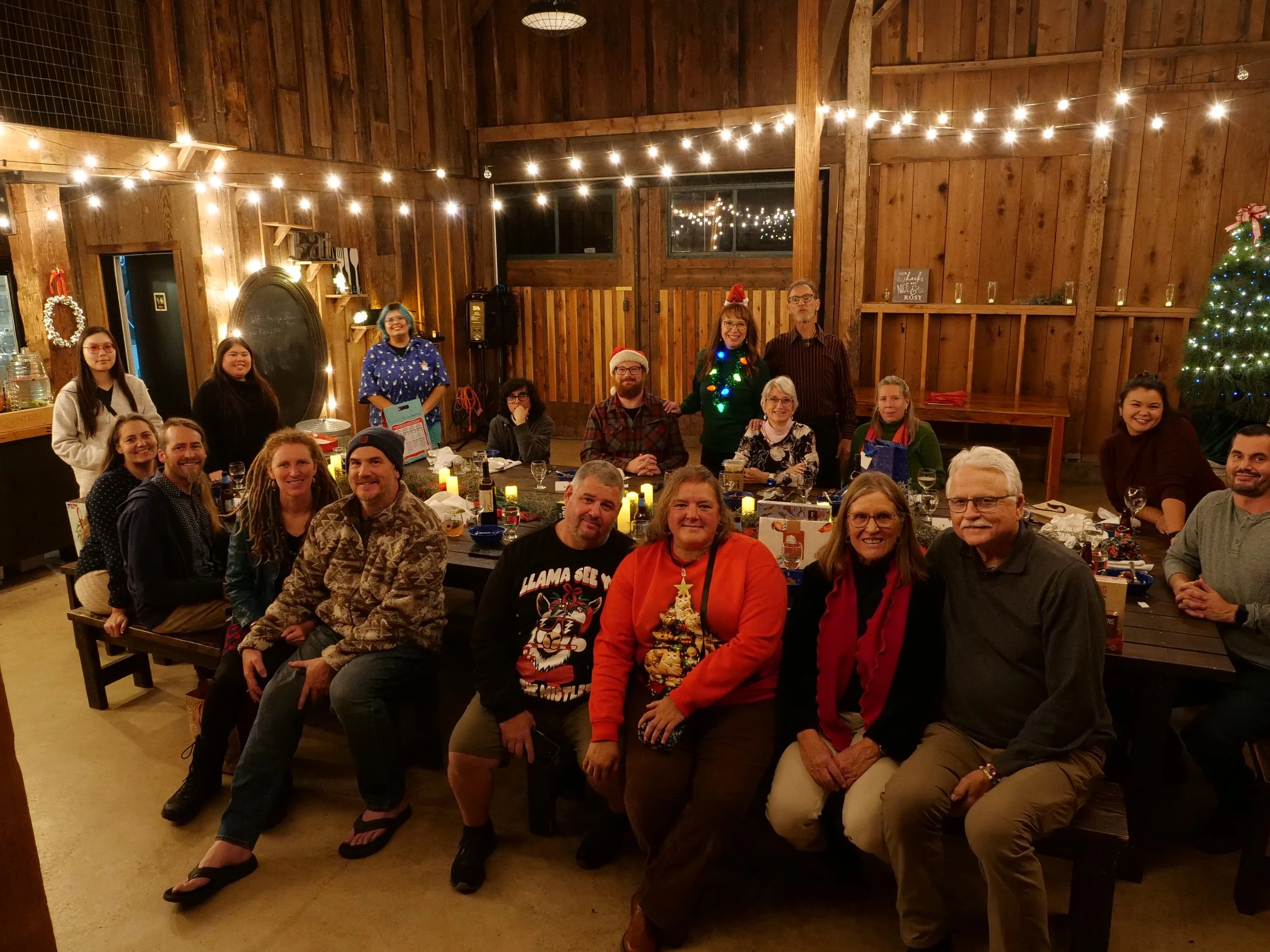
There is much more ahead. The progress visible across Lake County shows what is possible when residents, landowners, contractors, fire districts, public agencies, community organizations, funders, and a dedicated local team work together toward a shared goal: healthier landscapes and safer, more resilient communities.
