Reforestation Efforts Expand Across the Mendocino National Forest
In early April, crews from CLERC, the U.S. Forest Service, and Patriot Restoration Ops (PROPS) returned to the hills above Clear Lake with a shared goal: helping the forest recover from the devastating 2018 Ranch Fire.
Over the course of eight days beginning April 6, 2026, nearly 71,000 native conifer seedlings were planted across approximately 182 acres east of the communities of Nice and Lucerne within the Mendocino National Forest. The work marks another major milestone in the long-term restoration of lands burned during the Ranch Fire, part of the Mendocino Complex Fire, which burned more than 459,000 acres in 2018.
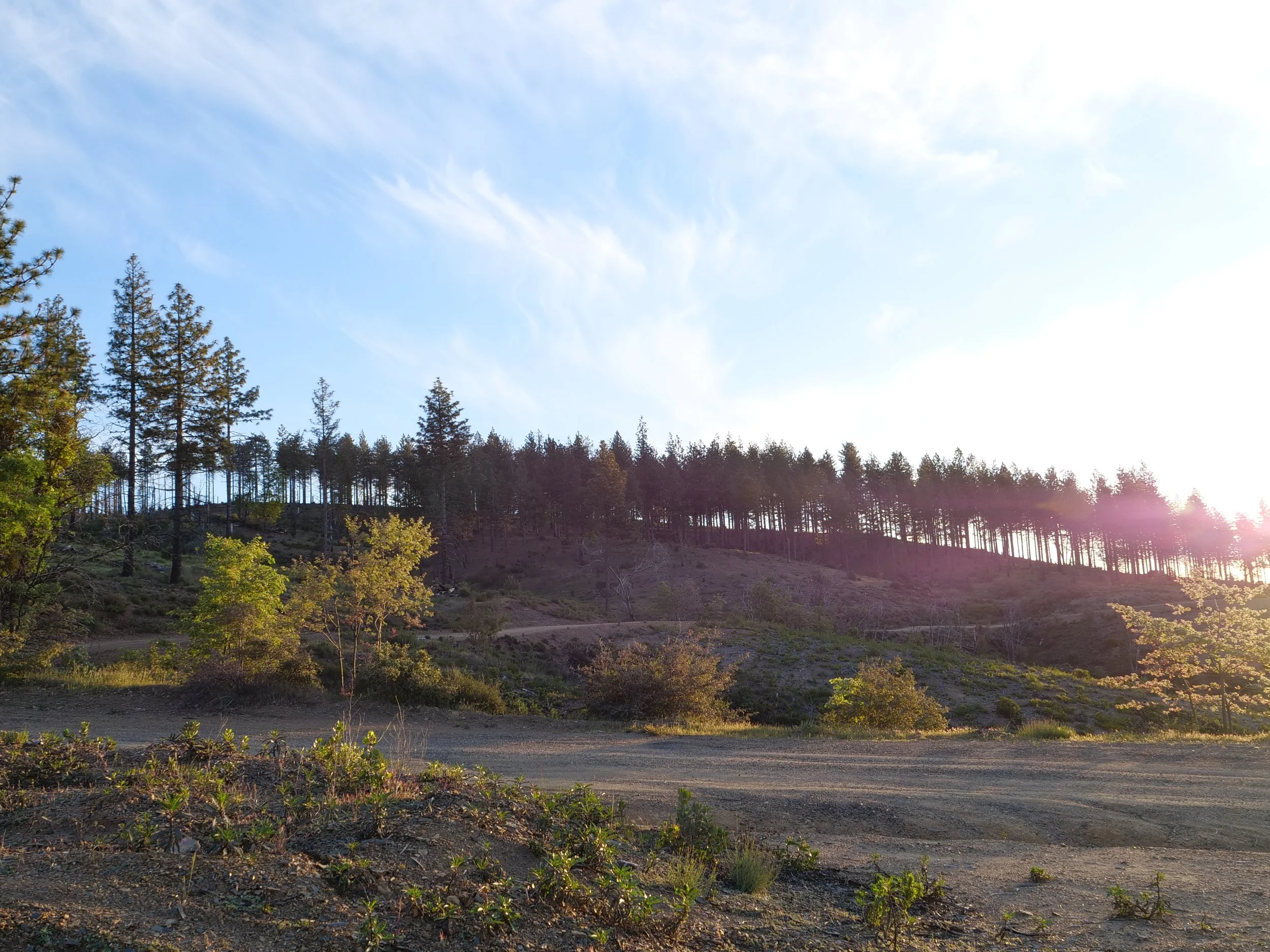
Mendocino National Forest - April 2026
This year’s planting season arrived with some uncertainty. Following a record-breaking March heat wave, there were concerns that whether conditions would be too harsh for the young seedlings. Fortunately, nature offered a helping hand. Several spring rainstorms arrived just before planting operations began, creating ideal planting conditions. Mild April temperatures and steady moisture gave the newly planted trees the best possible chance to establish healthy root systems before summer arrives.
The seedlings planted this year included ponderosa pine, douglas fir and incense cedar, selected using climate-informed planning developed in collaboration with researchers at UC Davis. By incorporating climate adaptation modeling into the project design, CLERC and its partners are working to establish forests that are more resilient to future drought, wildfire, and changing environmental conditions. One key design feature of this planting strategy is the retention of naturally regenerating species such as black oak and madrone. By incorporating hardwoods and other desirable species into the planting approach, the project supports the development of a more diverse and climate-resilient forest.
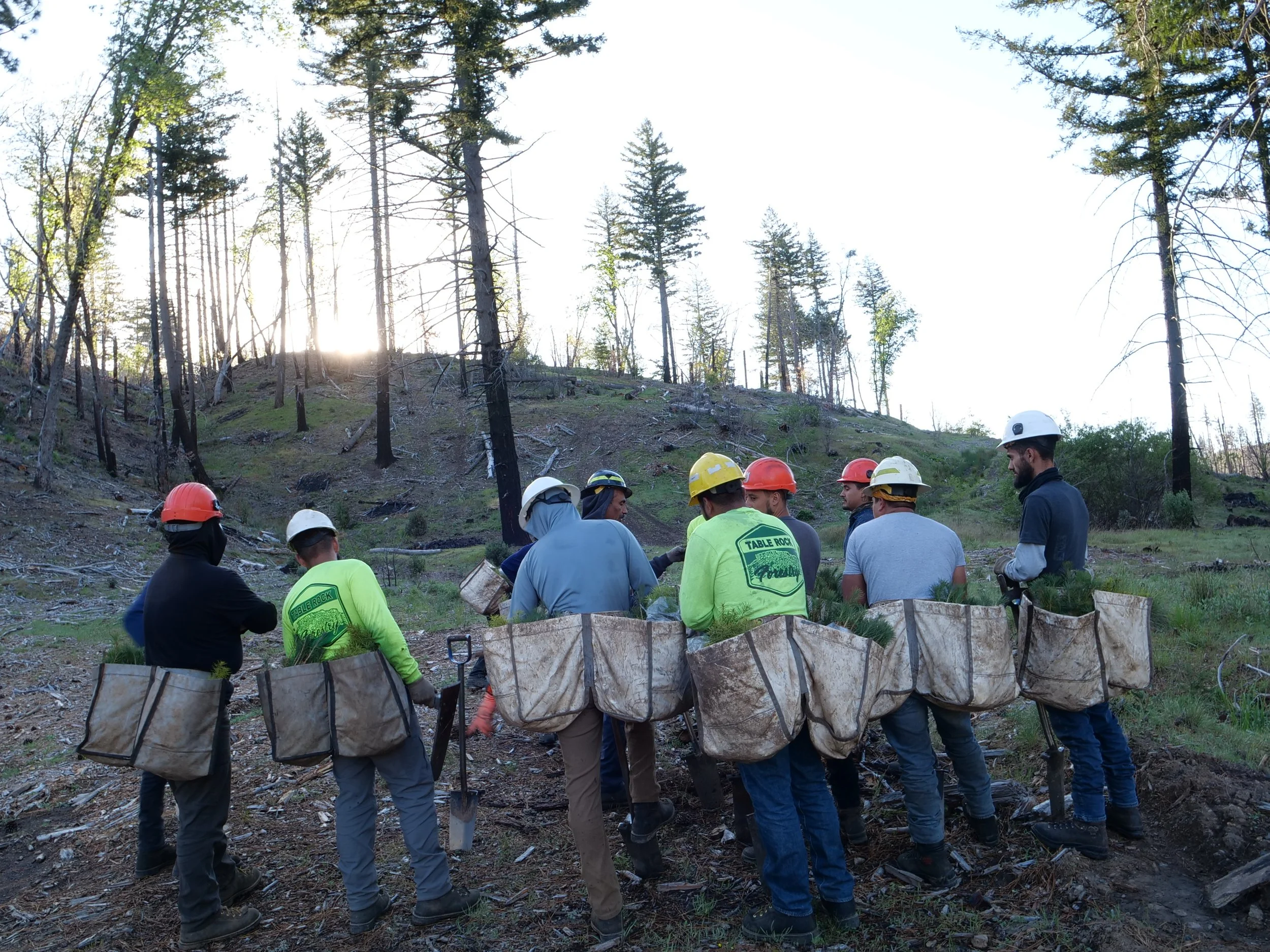
PROPS team getting ready to plant
While planting trees is one of the most visible parts of reforestation, years of preparation made this effort possible. Before seedlings could go into the ground, USFS and hired contractor crews worked extensively to remove hazardous dead trees, reduce dense brush, conduct pile burning and prescribed fire operations, and prepare the landscape for successful planting. These treatments not only support new forest growth but also help reduce the risk of future high-severity wildfire near surrounding communities.
“If we do nothing, it’s likely these areas will return as an even greater fire hazard,” said CLERC Co-Founder and Executive Director Will Evans. “Without active management, brush quickly takes over and the large, fire-resilient trees we need for healthy forests don’t return.”
To complete the planting operations, CLERC again partnered with Patriot Restoration Ops, a nonprofit organization that provides military veterans with career pathways in conservation and land stewardship. Their crews planted thousands of seedlings each day across steep and challenging terrain, helping accelerate recovery efforts throughout the burned landscape.
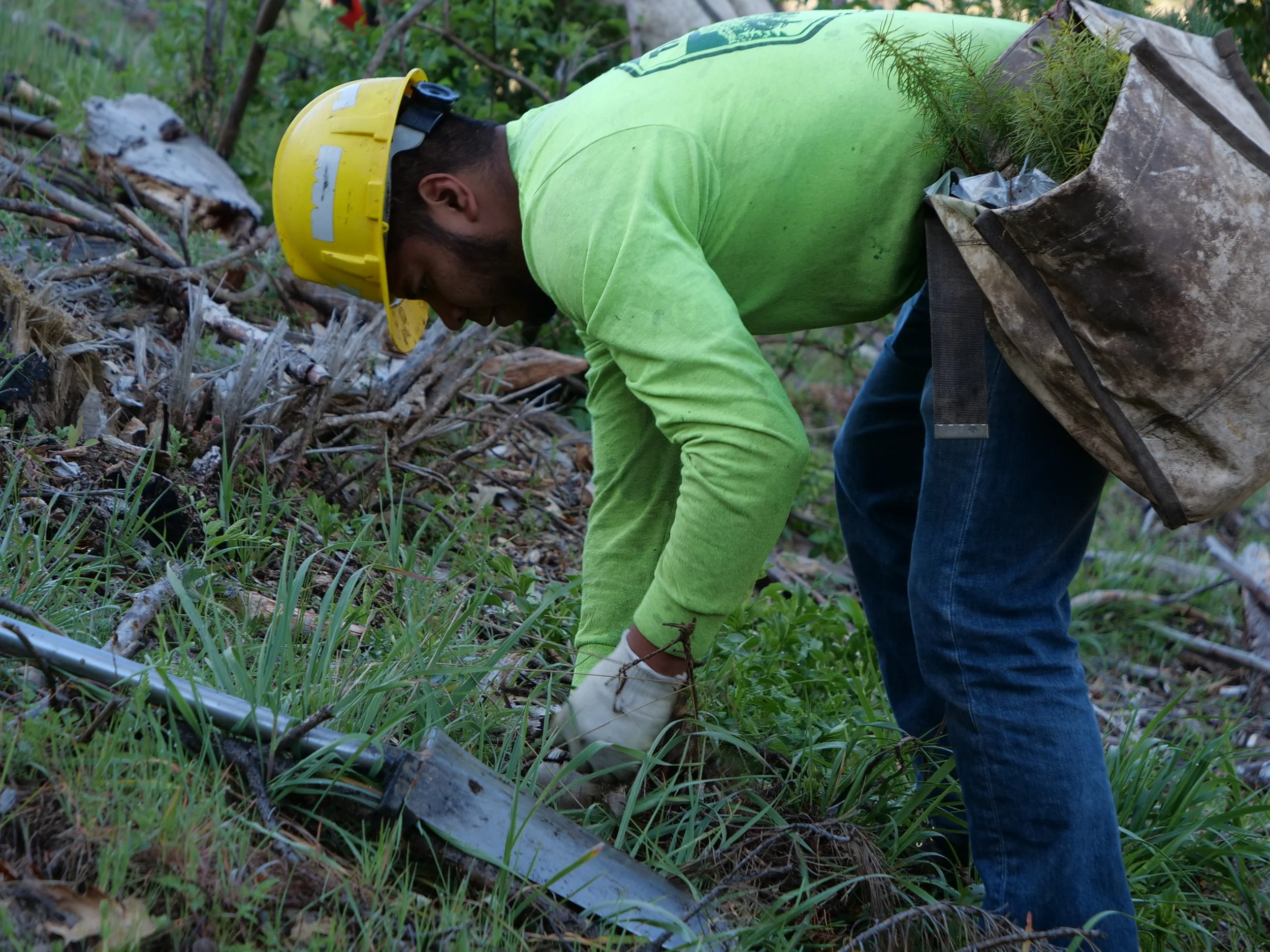
The process can be fast but it is very physical
This work is part of the broader North Shore Restoration Project and contributes to approximately 1,900 acres of ongoing restoration and fuels reduction work across the region. The project reflects a collaborative effort between federal agencies, nonprofits, scientists, firefighters, contractors, and local communities, all working toward the same outcome: a healthier, safer, and more resilient forest.
Funded through the CAL FIRE Forest Health Grant Program, the project supports long-term restoration of fire-impacted lands while helping protect watersheds, wildlife habitat, and nearby communities from future potential wildfire.
For CLERC, this work represents more than planting trees. It is about restoring balance to landscapes deeply altered by wildfire while investing in the future health of the forest and the communities connected to it. Tiny seedlings today, future canopy tomorrow.
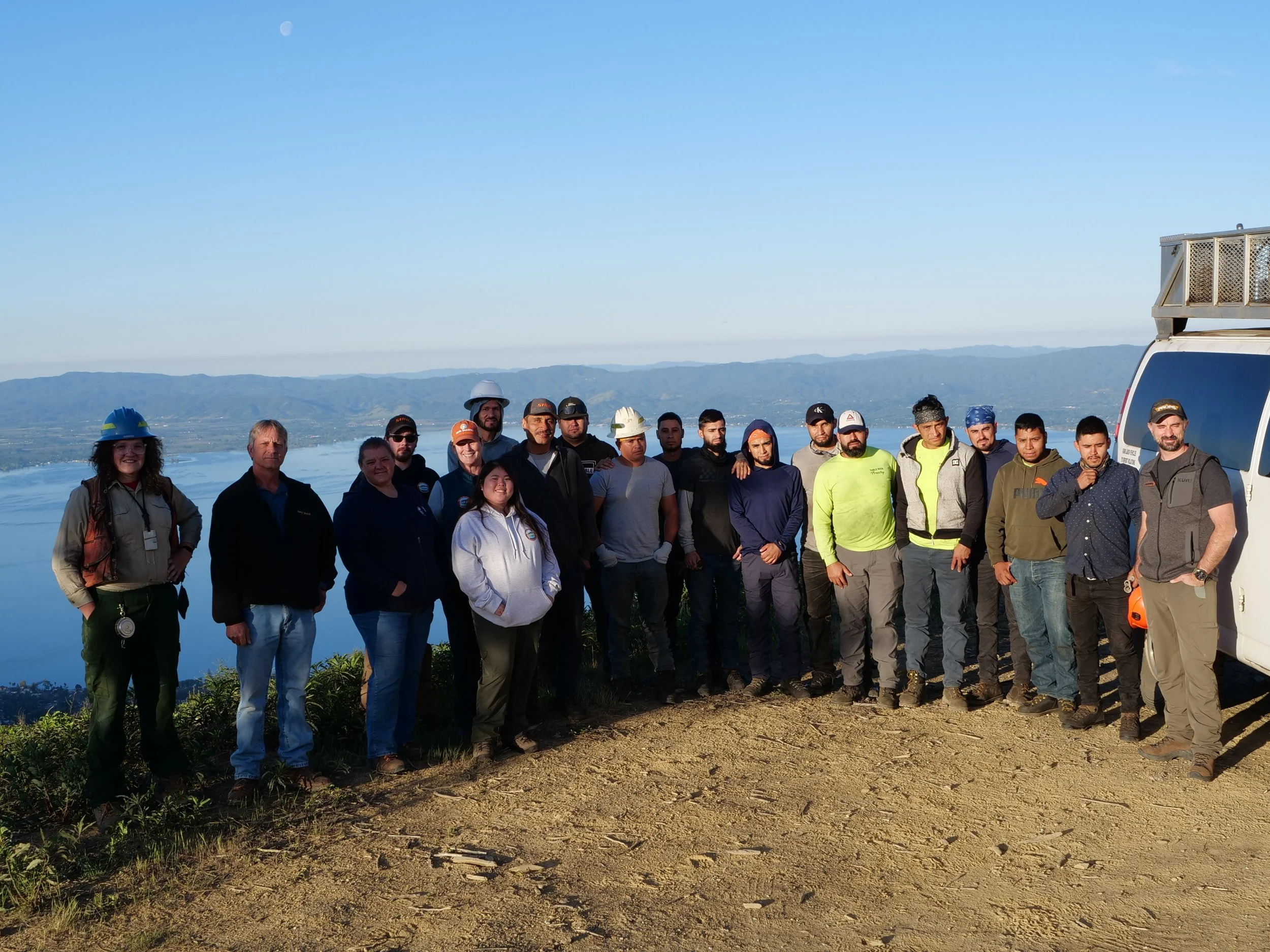
USFS, CLERC and PROPS - collaboration is they key to getting this work done!