
A quarterly update on recently completed projects, work underway, and what is planned for communities across Lake County.

From the air, the scale of the work completed in Clearlake's Lower Avenues is easy to see. Areas once covered by dense vegetation have been opened up, long-obscured parcels are visible again, and a more defensible buffer is taking shape near homes, businesses, and critical community infrastructure.
The Lower Avenues project is one of several CLERC projects completed or advanced during the final months of 2026. Crews have also finished roadside vegetation management and defensible space work near Clearlake, Lower Lake, Middletown, Cobb, and Loch Lomond. Other projects are underway or being prepared for 2027.
More than 500 acres treated in 2026
By the end of 2026, CLERC will have completed more than 15 wildfire resilience projects and treated over 500 acres through defensible space, roadside vegetation management, fuel breaks, and landscape-scale projects.
Lake County residents have also put in a great deal of work on their own properties. CLERC's Community Chipping Program and locally managed chipping programs supported through CLERC funding have served more than 1,600 properties this year.
The results can be seen along roads, around homes and facilities, and across larger areas where coordinated treatment is helping reduce dense vegetation.
Major progress in Clearlake's Lower Avenues

Some of this quarter's most visible progress is in Clearlake's Lower Avenues "paper lots." These are largely undeveloped areas divided into many small, individually owned parcels that were mapped and recorded but never built on.
The full six-phase project covers several hundred acres from approximately 18th Avenue south to Dam Road behind Walmart and the hospital. Since CLERC's last quarterly update, Phases 1, 3, and 4 have been completed. Contractors are continuing work in other parts of the project area.
Preparing this project required much more than identifying vegetation for removal. CLERC conducted outreach and coordinated access involving more than 1,400 vacant parcels. Staff also worked closely with the City of Clearlake and Code Enforcement to address access, illegally dumped debris, and safety concerns in occupied areas before contractors entered each phase.
The 2024 Boyles Fire began along Dam Road and burned 81 acres in Clearlake. It destroyed 33 structures, damaged six more, and forced thousands of residents to evacuate. The fire's proximity to homes and businesses showed how quickly a fire starting near undeveloped vegetation can affect the surrounding community.
Completed sections of the Lower Avenues project now provide more defensible space between large areas of undeveloped vegetation and nearby parts of the city. Crews have also improved access that may be needed for maintenance and emergency response.
Fuel reduction cannot prevent every fire or guarantee that homes will be spared. Clearing dense vegetation across these vacant parcels can reduce the amount of material available to carry fire toward nearby neighborhoods, businesses, and public facilities.
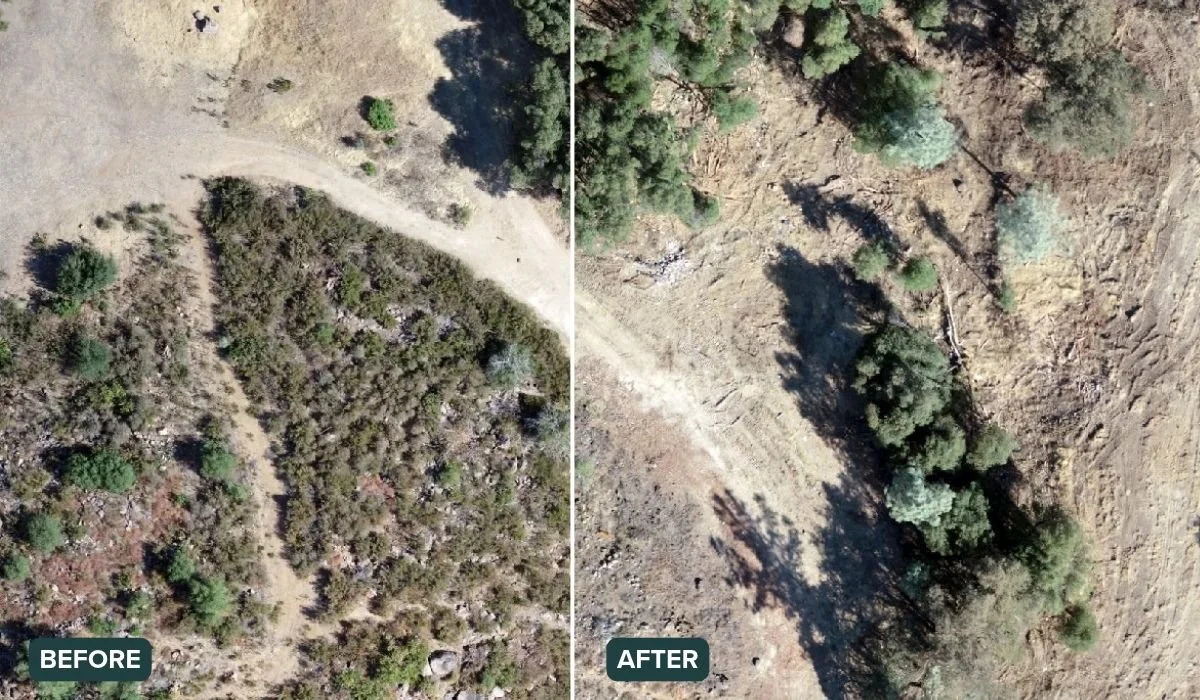
Nearby, work has also been completed in the 18th Avenue and Phillips Avenue area next to the hospital. Homes, vacant parcels, roads, and undeveloped vegetation all meet in this part of Clearlake. Treating vegetation here adds to the work already completed across the broader area.
Roadside projects completed across the county
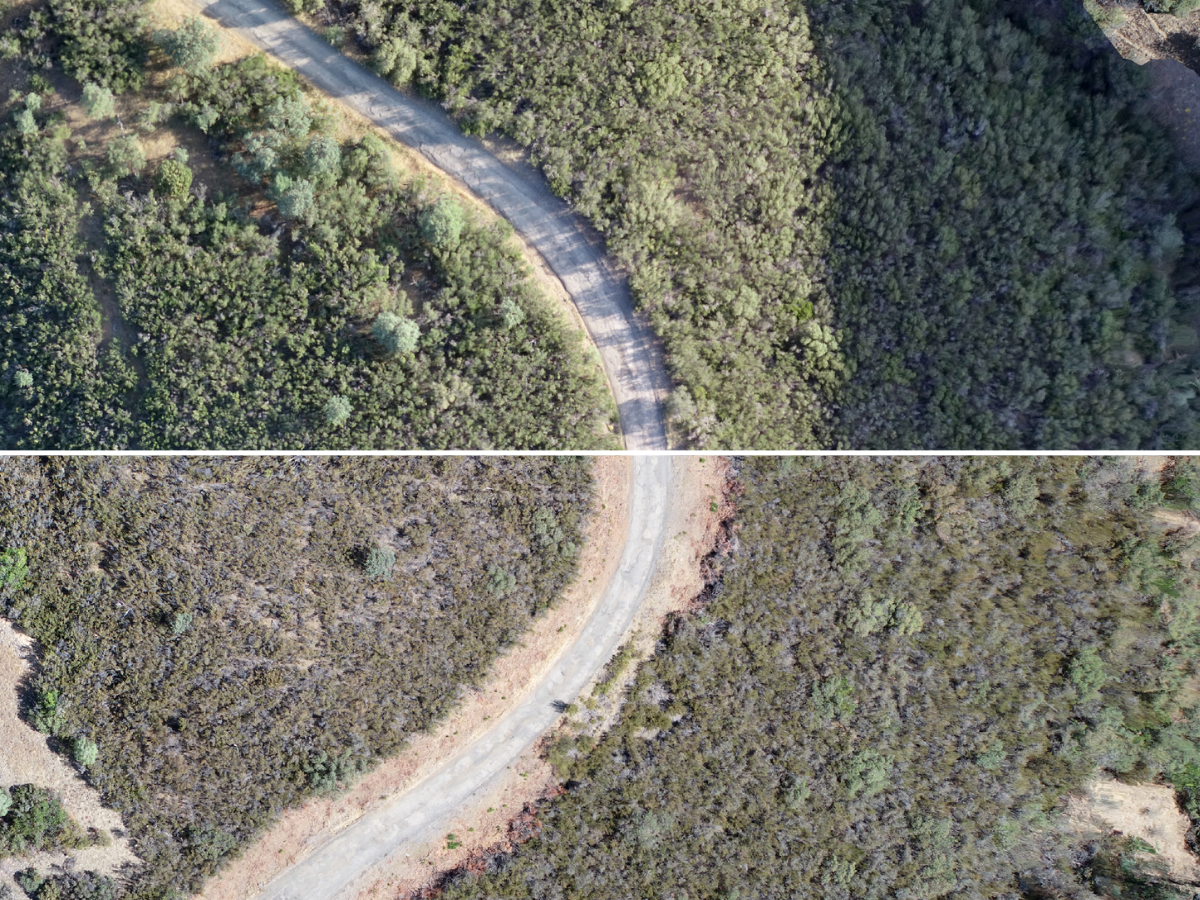
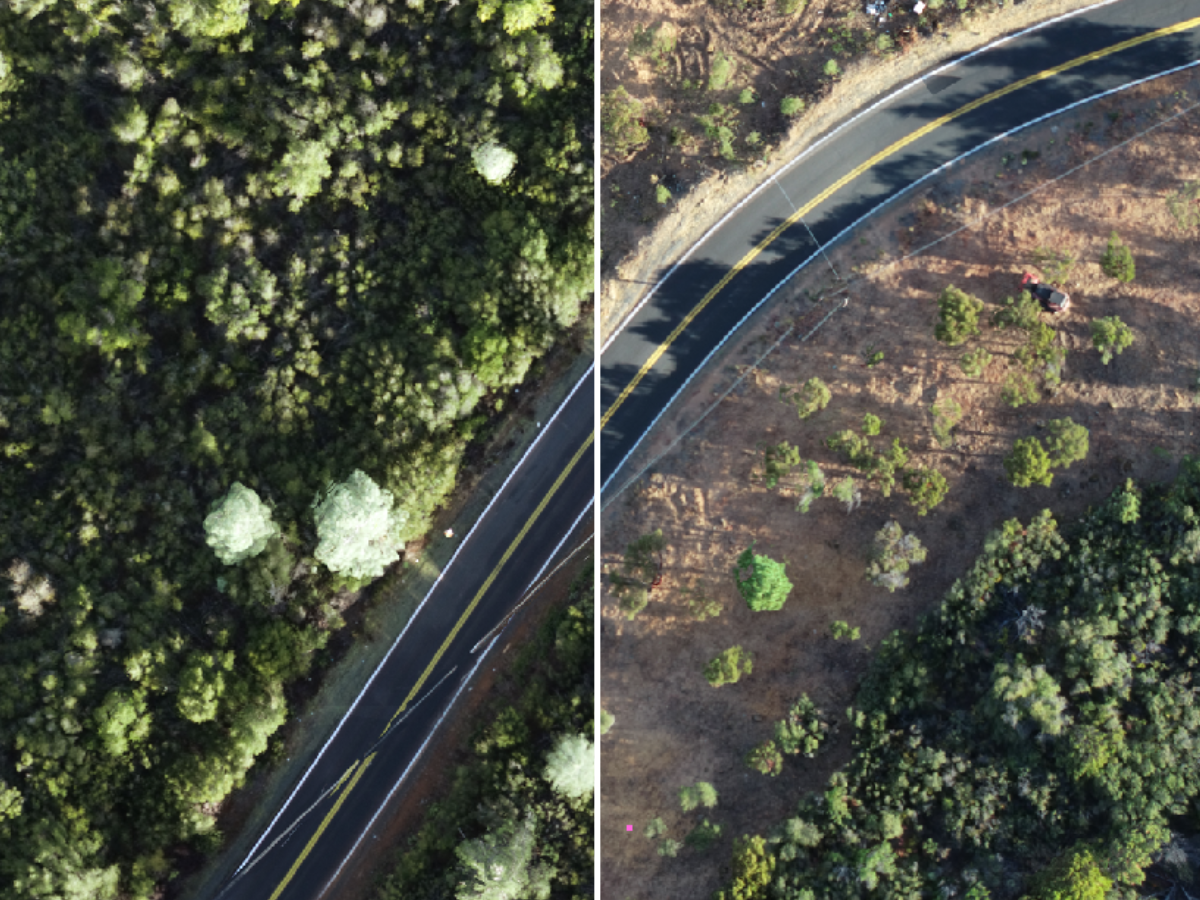
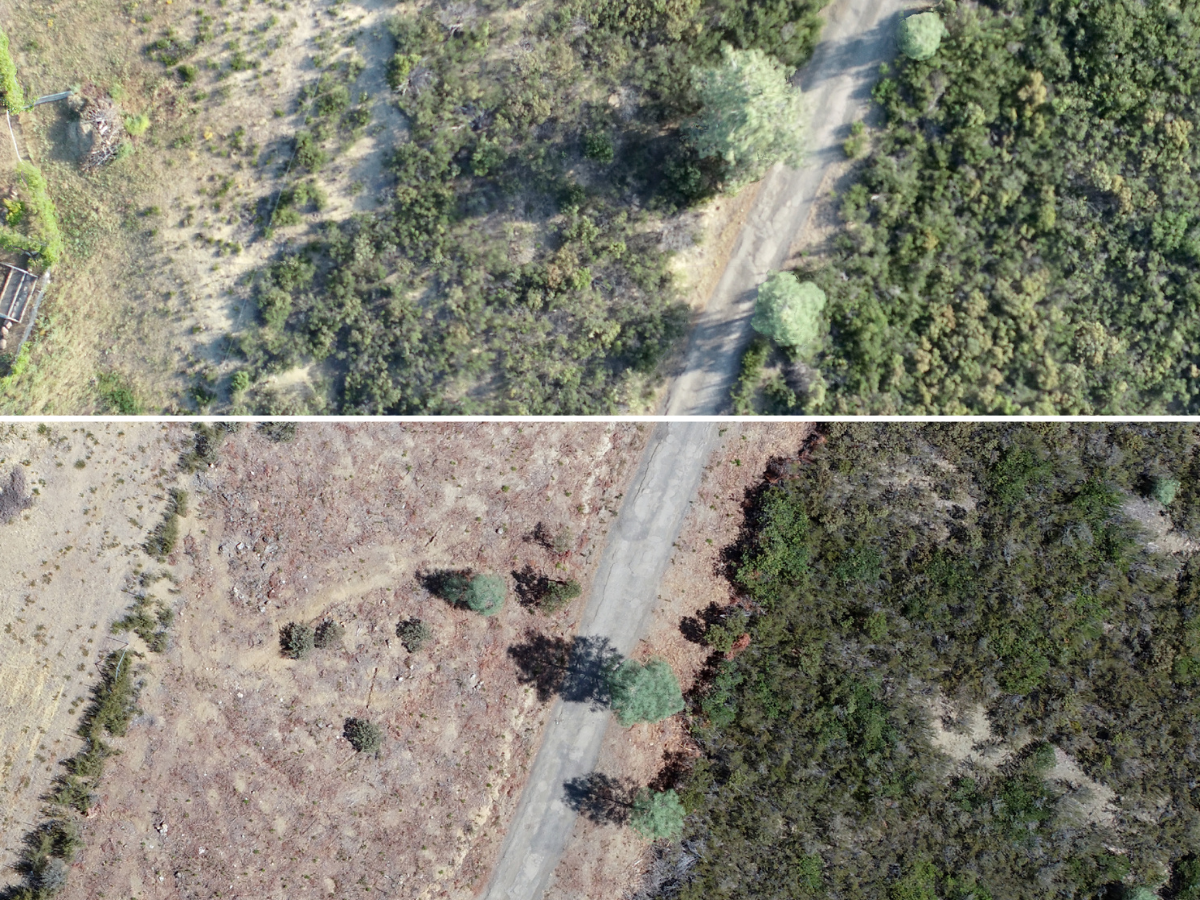
Earlier 2026 projects shown. Photos of this quarter's completed roadside work will be shared in a future update.
Several projects completed this quarter focused on roads that residents use every day and may rely on during an emergency.
Crews completed Phase 3 of the Big Canyon Road project in Middletown and the Harrington Flat North Roadside Clearing Project in the Cobb and Loch Lomond area. Roadside vegetation management was also completed along Sunrise Drive in Lower Lake.
Work along these roads reduces dense vegetation immediately beside the travel lanes. It can improve visibility, make roadside areas more accessible, and give firefighters additional room to operate. In communities with limited routes, maintaining the space beside a road can also support evacuation readiness.
While no roadside project can eliminate wildfire risk or guarantee that a route will remain open during an emergency, reducing dense vegetation along these roads can help limit fire intensity near the roadway and give residents and emergency responders more room to move when conditions allow.
A real-world test on Bottle Rock Road
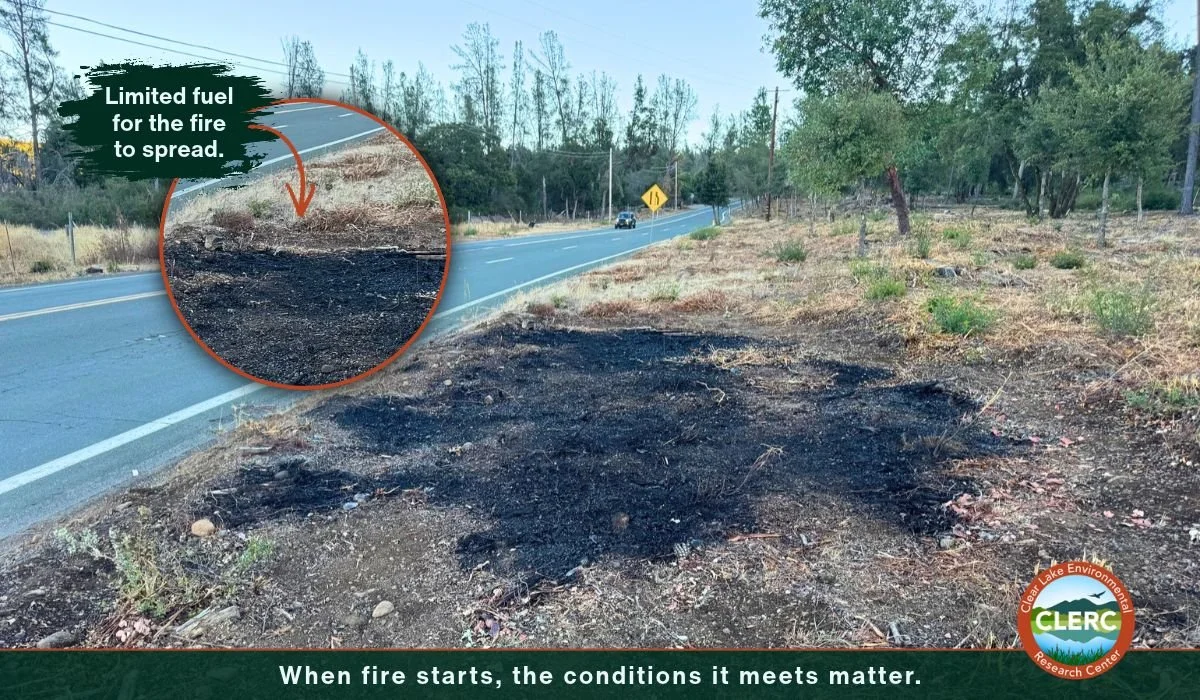
A fire along Bottle Rock Road this fall provided a look at how completed roadside treatment can assist during an actual incident.
Local residents acted quickly and helped bring most of the fire under control before it could grow. The recently treated northern section of the road provided clearer access to the area and left less dense vegetation immediately beside the roadway.
Quick action by residents was essential. The roadside project did not prevent the fire, but the treated area gave the fire less nearby vegetation to burn and made the site easier to reach.
Planning is now moving forward for the southern portion of Bottle Rock Road, extending the work beyond the northern section completed earlier this year.
Preparing for work near High Valley Road

Work is also being prepared on private properties off High Valley Road that border the Mendocino National Forest.
This area lies within a Wildland-Urban Interface, commonly called a WUI. A Wildland-Urban Interface is an area where homes, roads, and other developments meet or intermingle with undeveloped vegetation. Fires in these areas can move between wildlands and populated properties. Steep terrain, limited access, and long evacuation routes may also make response more difficult.
The High Valley Road area has already experienced major wildfire. The 2018 Ranch Fire, part of the Mendocino Complex Fire, burned more than 410,000 acres across Lake, Mendocino, Colusa, and Glenn counties.
Lake County's 2023 Community Wildfire Protection Plan (CWPP) also identifies the area as a priority. The CWPP is a countywide planning document used to identify wildfire risks and prioritize projects that may help reduce them. Its project-priority list lists a shaded fuel break along High Valley Road as a Priority 1 post-fire project.
Treating private properties along the National Forest boundary helps extend fuel-reduction work across ownership lines. Wildfires can move freely between private and public land, so coordinating treatments on private property, public land, roadsides, and community edges can create more continuous protection across the landscape.
Projects moving into 2027

Contractors will continue working in the Lower Avenues in Clearlake and along Konocti Road in Kelseyville. Additional projects are planned along Big Canyon Road in Middletown, Harrington Flat Road near Cobb, the southern portion of Bottle Rock Road, Soda Bay Road, and Carter Lane in the Sulphur Bank area.
Each project is on its own schedule. Some are already under contract or preparing to begin. Others are going through environmental review, bidding, property-owner coordination, or early planning.
Weather, environmental requirements, property access, contractor availability, and grant timelines can all affect when fieldwork begins. CLERC staff continue working through these steps so projects are ready to move forward when conditions and funding allow.
As more areas are completed, treated roadsides and community buffers can begin to connect with defensible space on private property and work taking place on nearby public lands.
More than 1,600 properties chipped
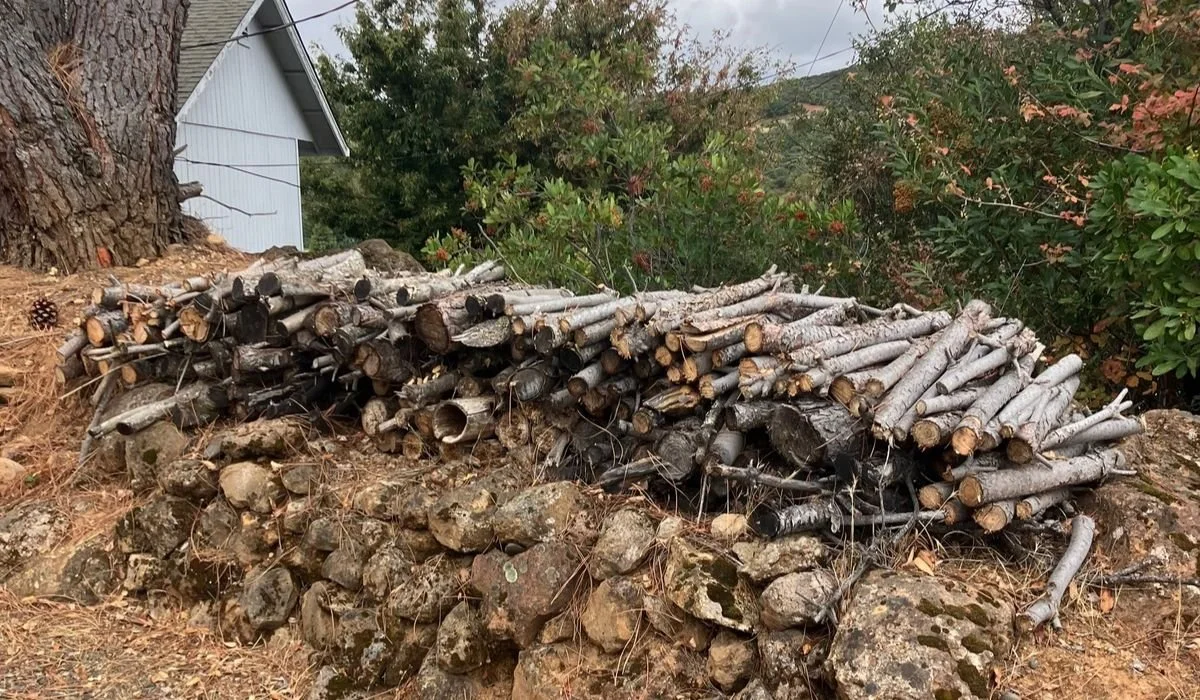
Large contracted projects account for only part of the wildfire resilience work completed this year. Residents across Lake County have been creating defensible space on their properties and preparing eligible brush and woody vegetation for chipping.
CLERC's countywide Community Chipping Program and subaward programs administered by the Hidden Valley Lake Association and South Lake Fire Safe Council have served more than 1,600 properties in 2026.
CLERC provides funding to local organizations that have the capacity to operate chipping programs within their communities. For residents outside those established program areas, CLERC manages the countywide program directly.
Before CLERC or one of its local partners arrives, residents have already cut and gathered the vegetation. Chipping helps remove the resulting piles and gives more households a practical way to complete defensible space work.
Residents outside locally managed program areas can review the guidelines and sign up at ChippingDay.org.
Keeping treated areas maintained

Initial treatment can transform an overgrown property, roadside, or project area. Vegetation will eventually return. Grass grows back, brush resprouts, trees drop limbs, and dry material begins to accumulate again.
CLERC can coordinate and fund much of the heavy initial work. Property owners can help preserve those improvements by maintaining treated areas on their land when it is safe and appropriate to do so. Public agencies, fire districts, utilities, and other land managers have similar responsibilities for the areas they own or manage.
Maintenance needs will vary by location. Mowing grass at the appropriate time of year, removing new brush growth, clearing fallen limbs, and keeping driveways accessible can help prevent treated areas from quickly returning to their previous condition.
Residents should work only on property they own or have permission to maintain. All work should follow applicable fire-safety rules, vegetation-management requirements, and seasonal restrictions.
Most of CLERC's large projects are supported by grant funding. Grant cycles do not always include money to return immediately to every completed area, so maintenance by property owners and other land managers can help extend the useful life of the original treatment. CLERC will continue seeking funding for maintenance while developing new projects throughout the county.
Right of Entry forms help projects move forward
Property owners can also help by checking whether their land is located within a current CLERC project area. CLERC must receive a signed Right of Entry form before crews can work on private property.
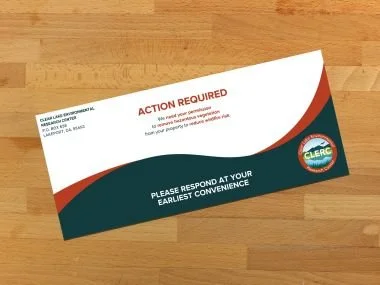
When a project enters the planning stage, CLERC mails affected property owners an envelope bearing the CLERC logo. It contains a Right of Entry form and a business reply envelope so the completed form can be returned at no cost.
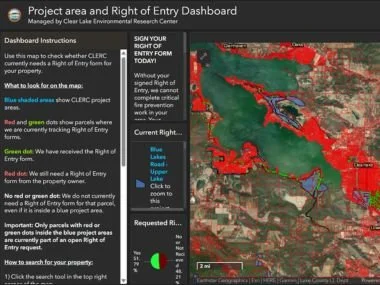
Property owners may also complete the form online at theclerc.org/right-of-entry. The webpage includes a map of current project areas and shows where Right of Entry forms are still needed.
Returning the form promptly helps CLERC plan complete treatment areas. Missing permission can delay work on a property or leave an untreated gap within a larger project.
Neighborhoods that do not currently appear on the map may still be considered for future work. CLERC continues developing projects and expanding treatment areas as funding becomes available.
Continuing the work together
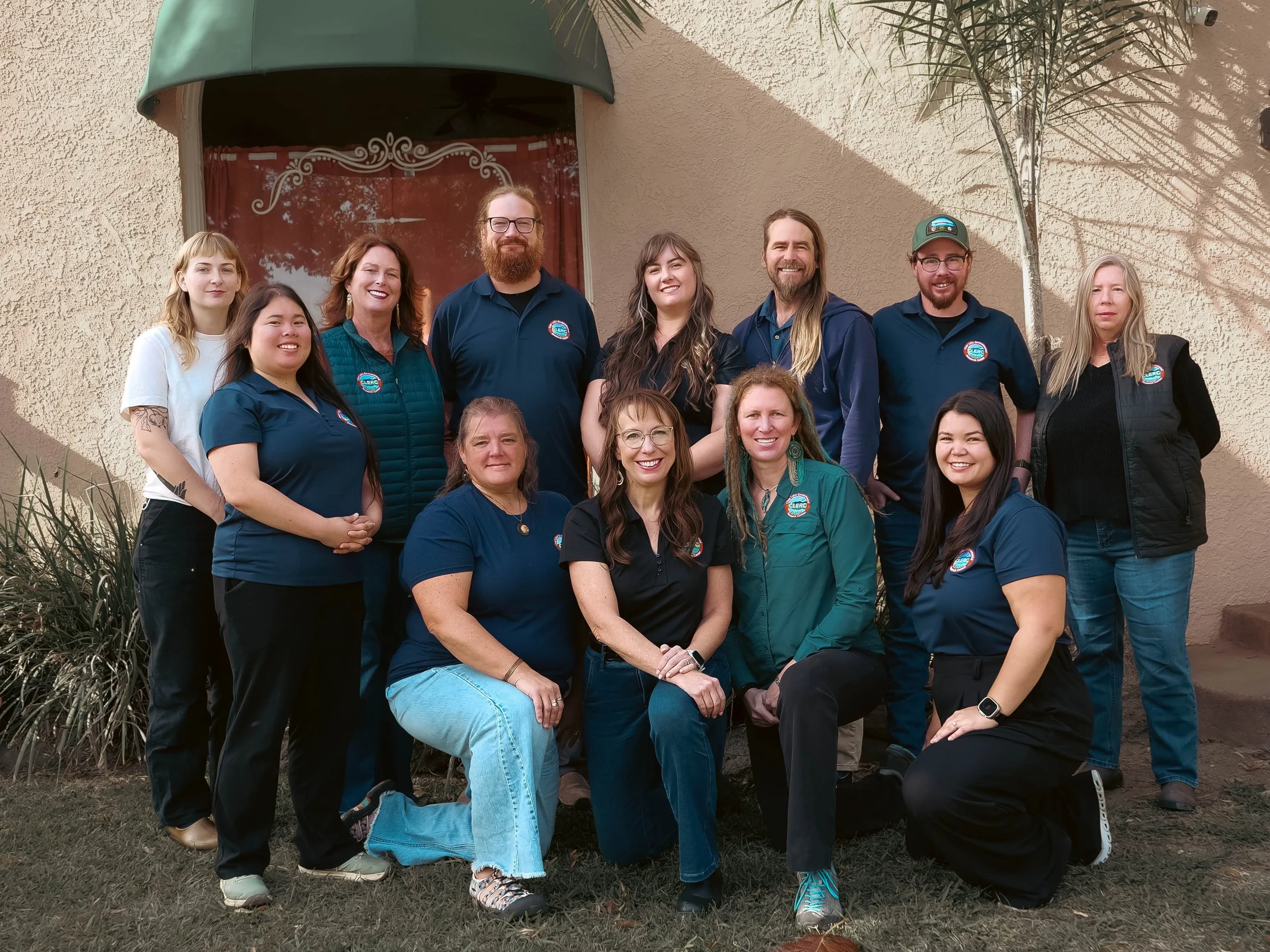
Over 500 acres treated, more than 15 projects completed, and more than 1,600 properties served through chipping took coordination across Lake County. Property owners provided access and prepared vegetation for chipping. Contractors completed the fieldwork. Fire districts, local agencies, community organizations, funders, and CLERC staff helped plan and support each project.
CLERC will continue securing funding, completing environmental review, coordinating with landowners, and hiring local contractors to carry out the larger treatments. Residents can help by returning Right of Entry forms, creating defensible space, and maintaining previously treated areas on their properties.
The work already completed has made a visible difference in communities across the county. Keeping those areas maintained and preparing the next round of projects will carry that progress into 2027.
