We serve as a steward for environmental and economic sustainability of Clear Lake, its neighboring lands and waters, local communities, and beyond.
Clear Lake Environmental Research Center:
March 2026 Newsletter
March Highlights
March Highlights: Nesting season reminders, new research opportunities, Right of Entry updates, and a new team member!
Looking to join our team or work with us? Scroll down for opportunities — we currently have 4 open positions and are always looking for great people to help advance forest health and wildfire resilience in Lake County!
Look Before You Prune Reminder
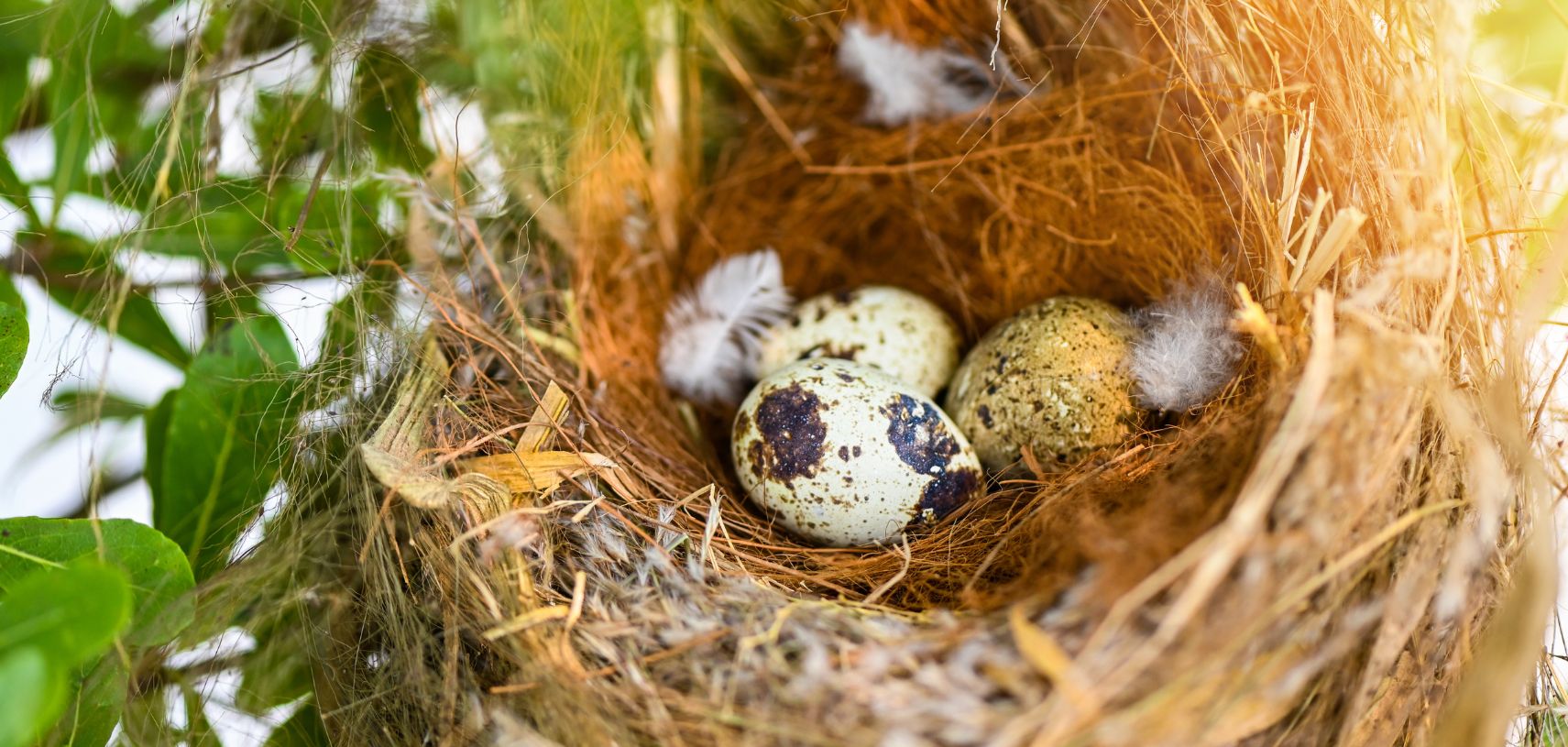
Nesting season is in full swing. As plant communities awaken from winter, fresh green growth spreads across the landscape, signaling the start of a busy season for local wildlife preparing to raise their young.
Nearly all native birds are protected under the Migratory Bird Treaty Act of 1918, which makes it illegal to take — including killing, capturing, selling, trading, and transporting — protected migratory birds (and they're almost all protected in Lake County). This includes removing or disturbing an active nest containing eggs or chicks without a permit. Before pruning trees or shrubs, take a moment to check for nests.
If an accident does happen, contact a licensed wildlife rehabilitator who can help guide you through the next steps and give the nest its best chance of survival.
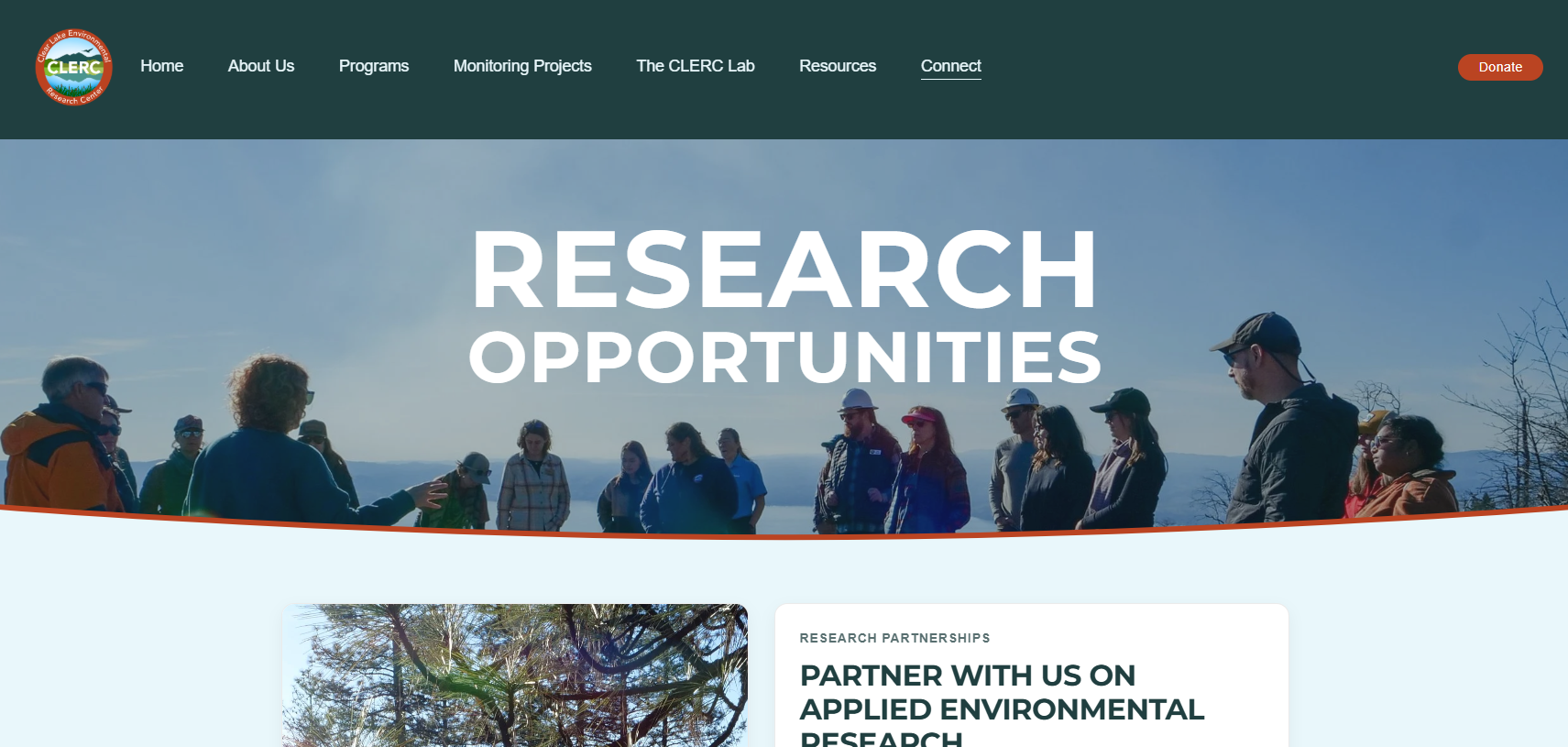
New: Research Opportunities Page Now Live!
We're excited to share a new space on our website dedicated to research opportunities with the Clear Lake Environmental Research Center. This page highlights real-world, applied environmental research collaborations in areas like forest restoration, wildfire mitigation, watershed health, and climate adaptation, and will be regularly updated as new opportunities arise.
Some projects may be funded or in development, and many are great fits for graduate students, post-docs, faculty, or applied research teams. Check it out and sign up to receive updates or be contacted about future research opportunities.
We're looking forward to growing research partnerships that support meaningful science and stewardship across Lake County and beyond!
Your Signature Could Help Protect Lake County From Wildfire
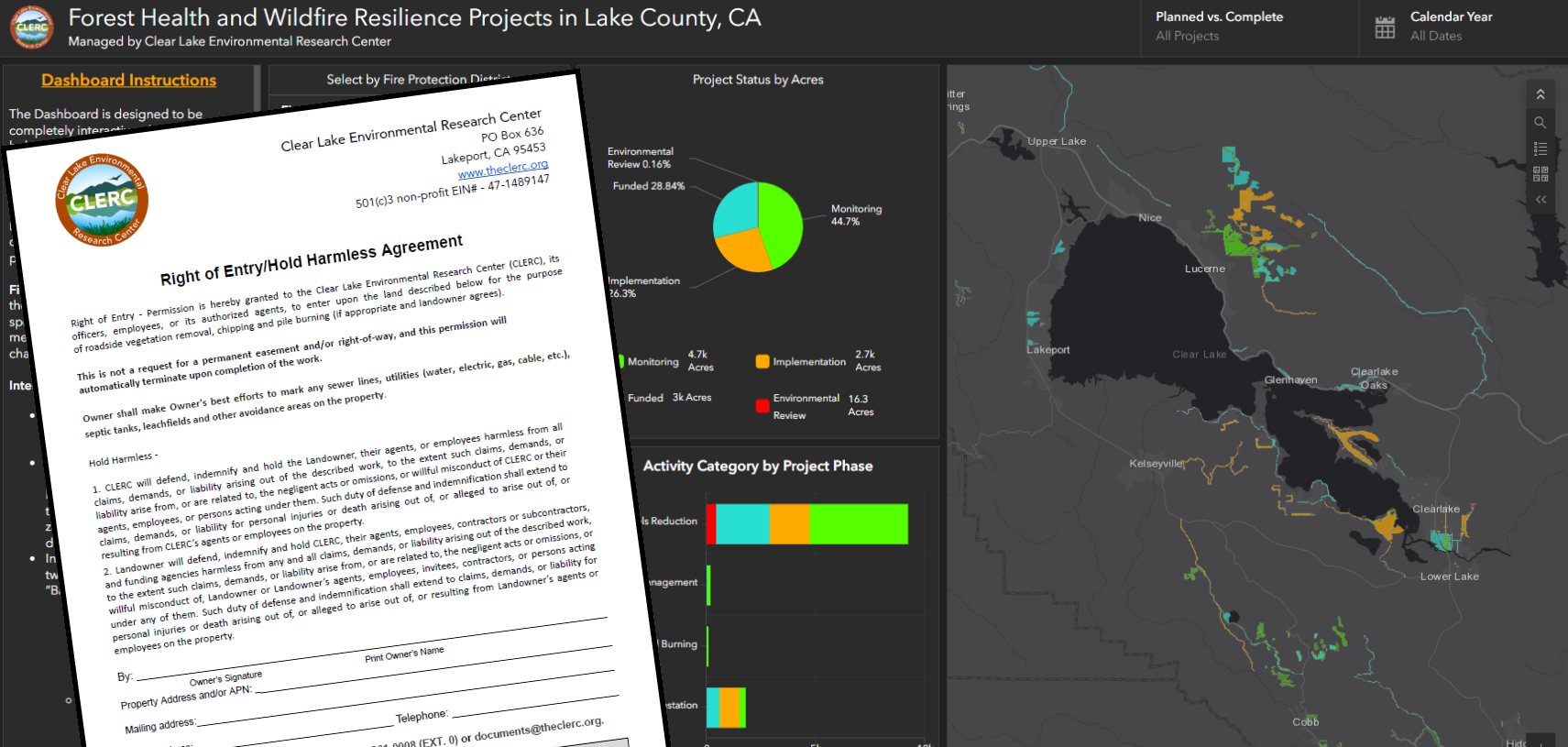
Ever wonder what happens before CLERC's crews begin work on fuel breaks and roadside vegetation management across Lake County? It turns out there's a critical behind-the-scenes step that most people never hear about, and it's one where you might be able to help.
It's called a Right of Entry, and for property owners in our project areas, a quick signature is all it takes to help us get boots on the ground faster to complete this important fire safety work at no cost to you.
We're currently working on projects across several areas including Mt. Konocti, Point Lakeview, High Valley Road, Bottle Rock Road, and more, with new project areas being added throughout the year. Want to find out if your property is included? Head over to our blog to learn how the ROE process works and check the interactive maps to see if we need your help.
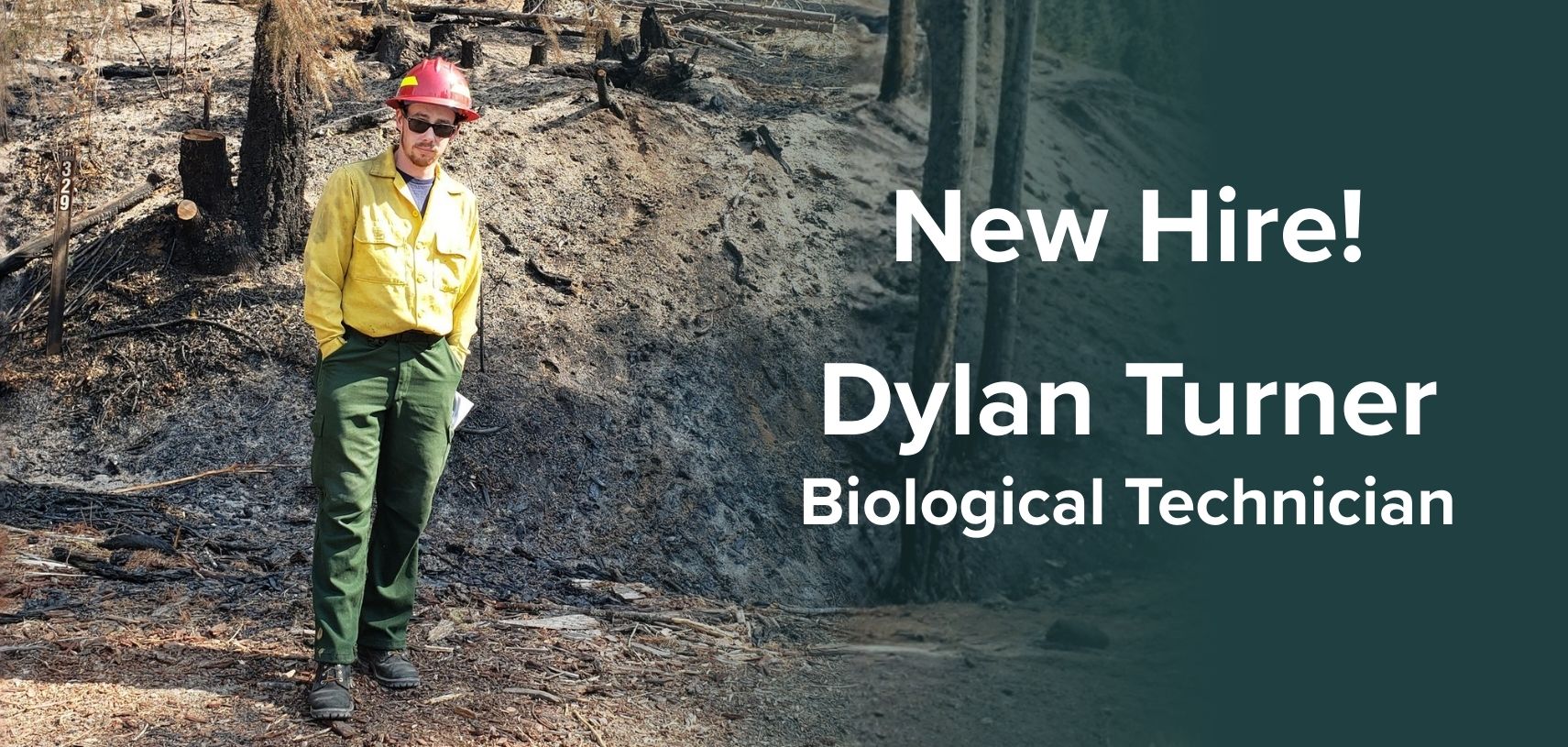
This year, CLERC welcomed Biological Technician Dylan to our team. Dylan brings a broad field background shaped by work with the U.S. Forest Service, the Minnesota Department of Natural Resources, and the City of Colorado Springs. After earning a B.S. in Environmental Studies, he built experience conducting avian, botanical, and mammalian surveys, managing GIS data (he has quickly become our GIS specialist!), and assisting with wildlife collaring and relocation. His fieldwork background and technical skills make him a strong addition as CLERC continues expanding its research and stewardship programs.
At CLERC, Dylan works closely with our Stewardship team by conducting biological surveys that support environmental planning and habitat stewardship across the region. His work includes botanical surveys, dawn chorus nesting bird surveys, and occasional nighttime acoustic monitoring for northern spotted owls and forest-dwelling bats. He also manages wildlife camera traps, maps invasive plant populations, and helps document species presence using GPS and standardized field protocols.
Together, these efforts contribute critical data used in environmental assessments, conservation planning, and long-term ecological research, helping CLERC better understand and protect the landscapes of the Clear Lake region.
We currently have 4 open positions on our team. If you're passionate about forest health, fire resilience, environmental research, and community stewardship, we'd love to hear from you.